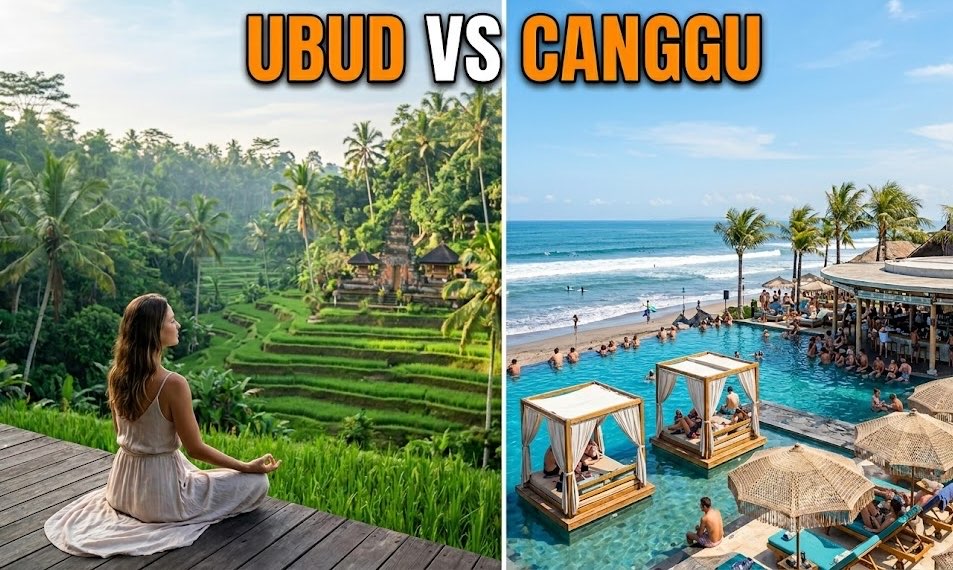
Ubud vs Canggu: Which Area Is Right for You?
Jungle and temples or beach and nightlife? Here's an honest comparison of Ubud vs Canggu to help you pick the right Bali base for your trip.
Choosing your base in Bali is probably the most important decision you will make when planning your trip. Pick the wrong one and you will spend your holiday stuck in traffic wishing you were somewhere else. Trust me, I have seen it happen.
Ubud and Canggu are the two heavyweights that most people are deciding between. They are both popular for good reasons, but they offer completely different experiences. Neither is "better", they are just going to be preferred by different people. So let us break this down honestly.
Quick Vibe Check
- Ubud: Jungle, yoga shalas, rice fields, ancient temples, early nights. Think Eat Pray Love.
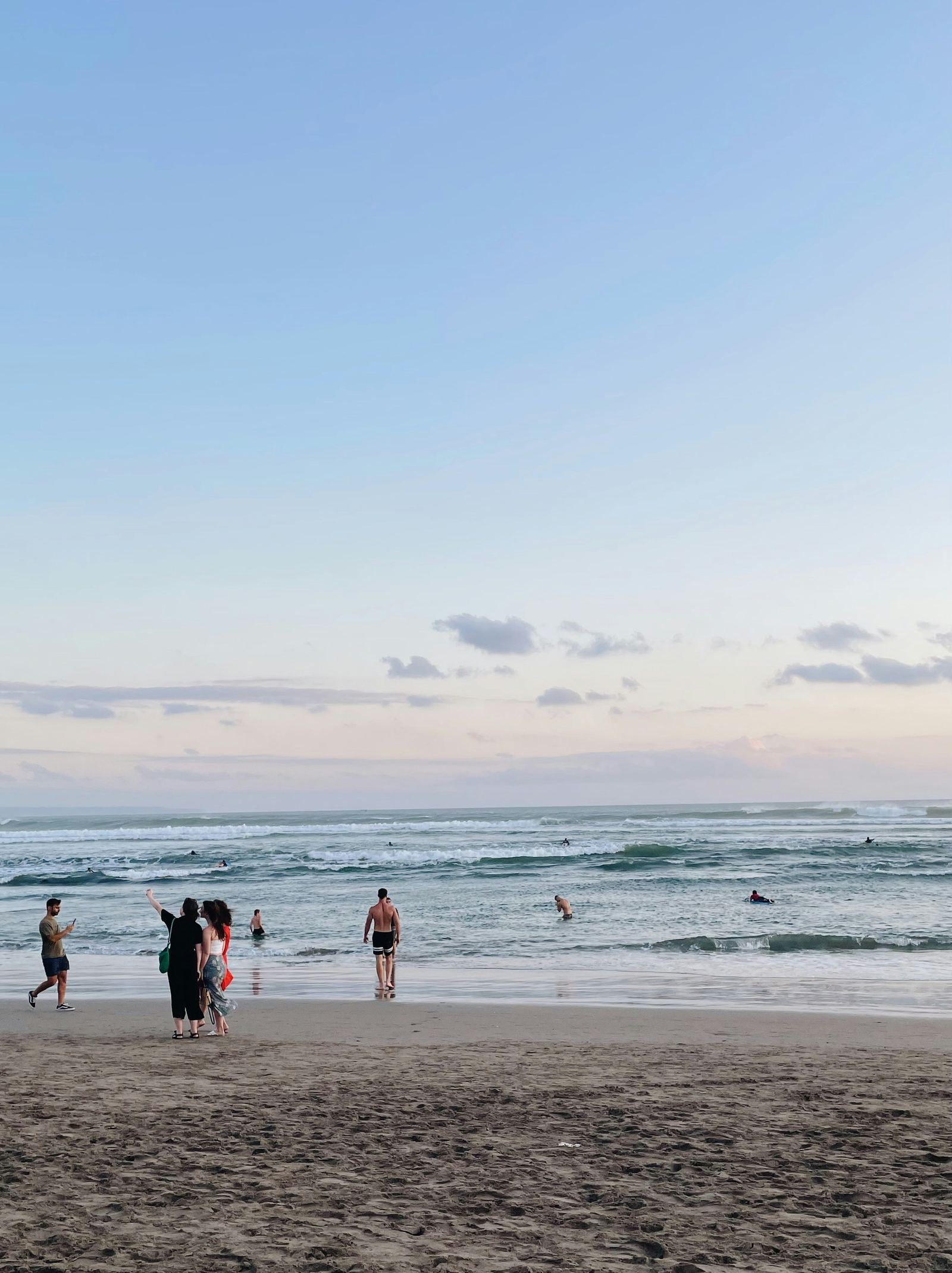
- Canggu: Surf breaks, beach clubs, smoothie bowls, digital nomads, nightlife. Think LA meets Bali.
Do you want to decide quickly? Close your eyes and picture your ideal Bali day. Are you waking up to mist rolling over rice fields, doing yoga, and exploring a temple? Or are you surfing, brunching at a trendy cafe, and watching the sunset with a cocktail? Your gut reaction probably tells you everything you need to know.
1. Ubud: The Cultural Sanctuary
Best for: couples, yogis, families, nature lovers, and anyone who genuinely wants to decompress.
Pros

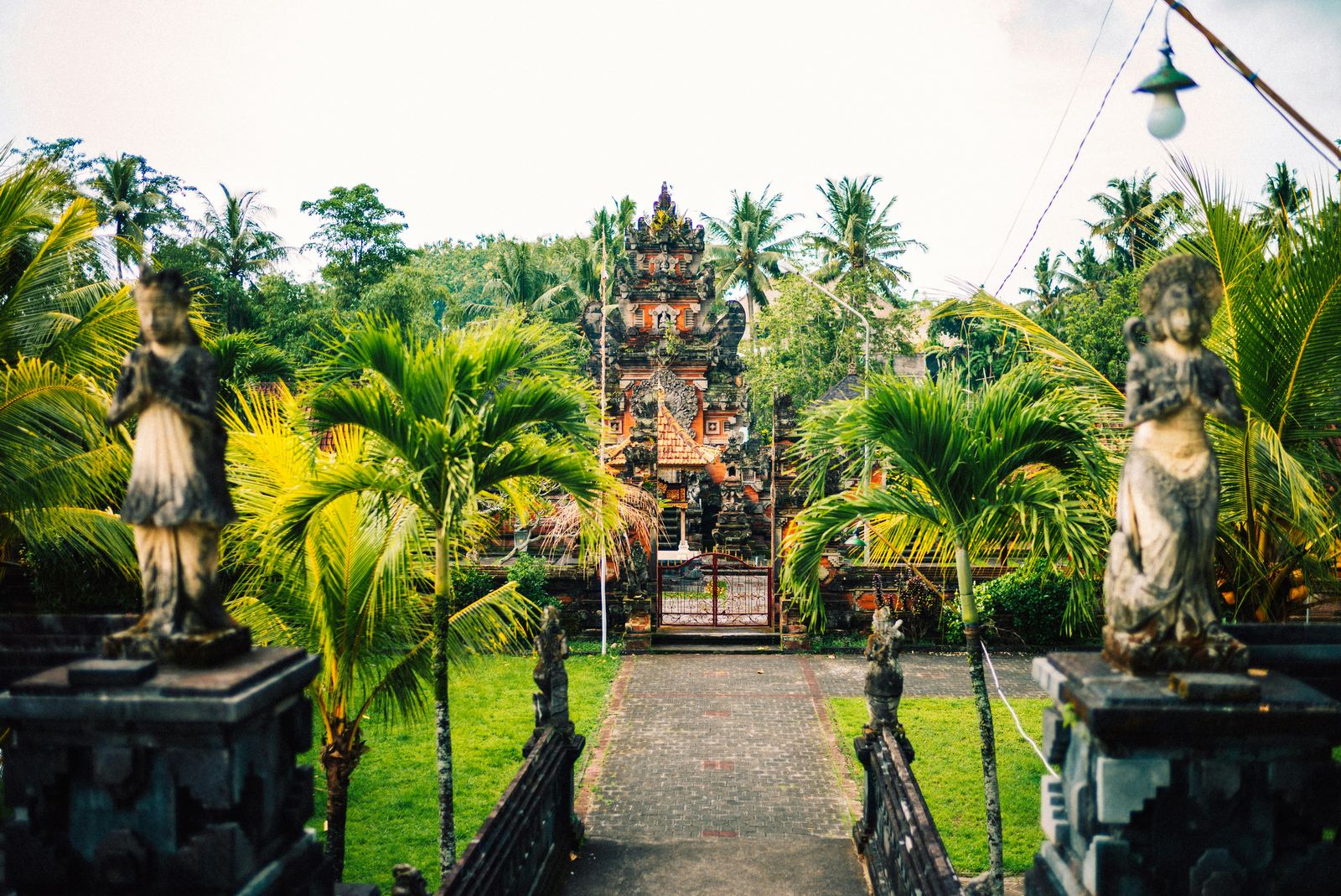
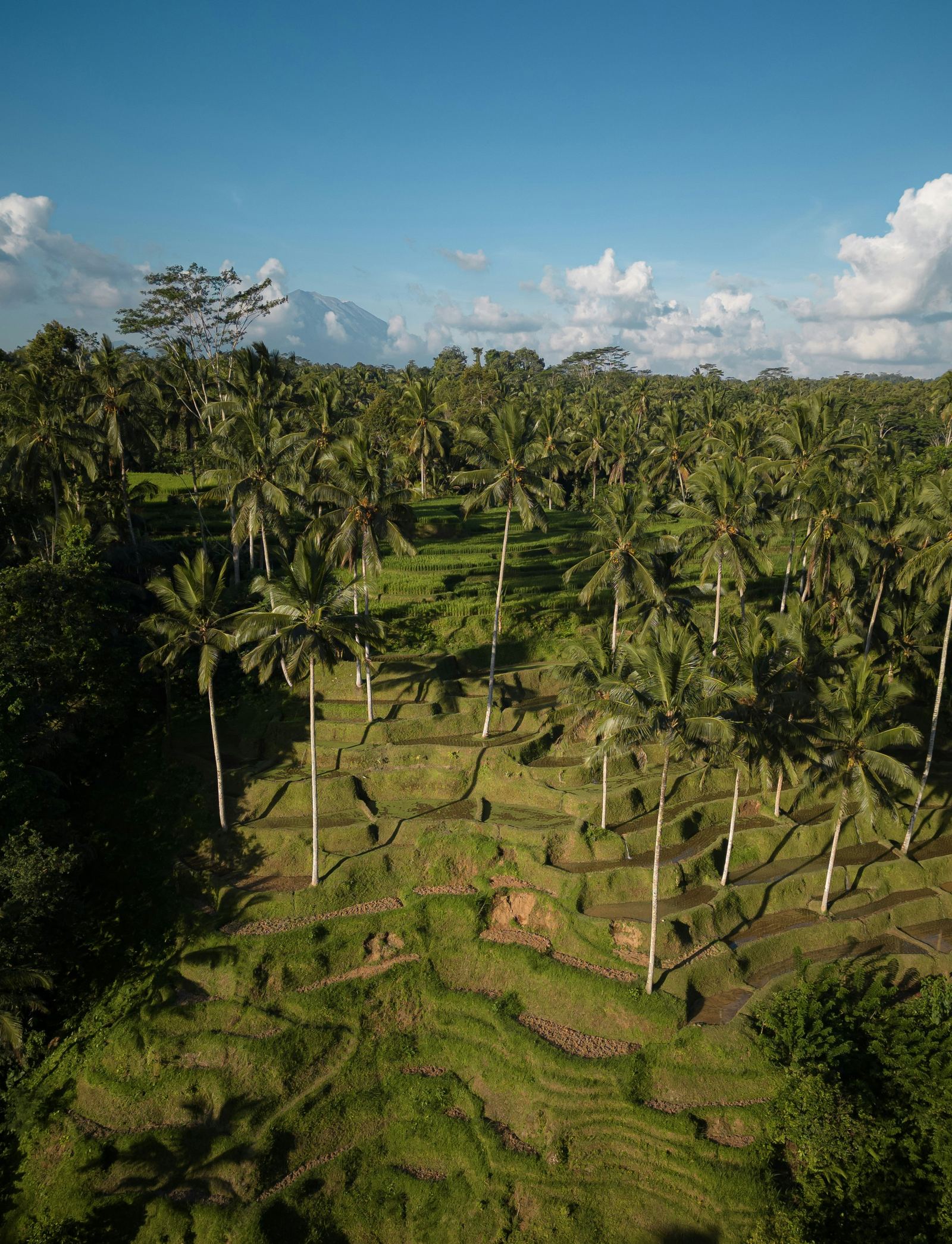
Ubud feels like the "real" Bali, or at least the Bali that most people picture in their heads before they actually arrive. You are surrounded by deep river valleys and neon-green rice fields that look almost unreal in certain light. Temples are literally everywhere, you will pass several just driving to breakfast.
The mornings here are genuinely magical, with mist hanging low over the rice paddies and a coolness in the air that makes you want to sit with your coffee for an extra hour.
Ubud is the center of Balinese art, healing, and culture, and you feel that everywhere you go. There are world-class yoga studios like The Yoga Barn and Radiantly Alive where you can drop into classes any day of the week.
The spa scene is incredible, and a two-hour massage here costs less than a decent dinner back home. The food ranges from $2 warungs where locals eat to places like Locavore that would absolutely have Michelin stars if Bali did that sort of thing. And because Ubud is at a higher elevation than the coast, it is noticeably cooler here.
Cons
There is no beach anywhere near Ubud. The coast is a solid 45 to 60 minutes away, and that is without traffic.
Once you step outside the main streets in the center, sidewalks basically do not exist, so you are walking on the road with scooters whizzing past you. To be fair, this applies to a lot of Bali.
The town is pretty sleepy at night, with most restaurants closing by 10pm, and the "nightlife" is more like ecstatic dance sessions and chill bars than anything resembling a club. If you are young and looking for a social scene where you can easily meet people, Ubud can actually feel very quiet.
Read next: How Many Days in Ubud Is Enough? A Local’s Honest Guide.
2. Canggu: The Social Playground

Canggu is best for surfers, solo travelers, digital nomads, younger crowds, and anyone who wants beach time combined with nightlife and a social atmosphere.
Pros

Canggu is chaos in the best possible way. It has arguably the best cafe scene in Southeast Asia, and I say that without exaggeration. You can honestly eat better here than in most Western cities. Every corner seems to have another stunning brunch spot, another specialty coffee place, another acai bowl that looks too perfect for Instagram. To be fair, Ubud also has an amazing cafe scene, but Canggu is more famous for it.

There are surf breaks for all levels along the coast, from beginner-friendly Batu Bolong where you can take lessons to more challenging spots further down if you know what you are doing.
One of the best things about Canggu is how incredibly easy it is to meet people here. You can just sit at Old Man's or The Lawn for ten minutes and you will end up chatting with someone new. The vibe is young, social, and international in a way that makes solo travel feel effortless.
The beach sunsets are genuinely gorgeous every single evening. Pool parties happen regularly at various venues. Bars stay open late and there is always something going on if you want to find it. If you are a solo traveler worried about being lonely on your trip, Canggu basically solves that problem for you automatically.
Cons
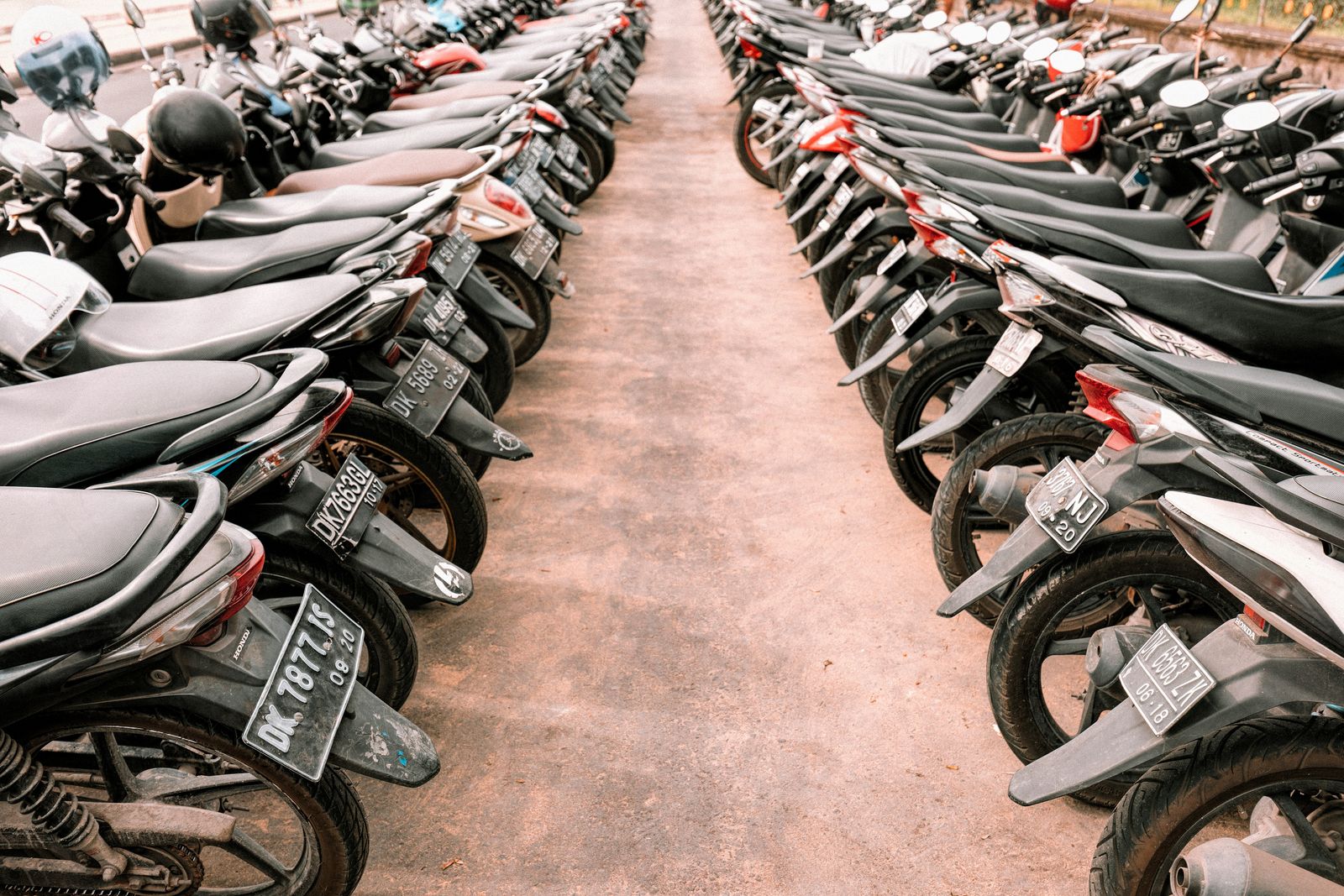
But here are the honest cons you should know about. The traffic in Canggu has become genuinely hellish in recent years. The infamous Canggu Shortcut is a gridlock nightmare during peak hours, and a drive that should take five minutes can easily stretch to 40 minutes of sitting there. It honestly gets very frustrating, especially if you go by car.
Construction is absolutely everywhere because the area is developing at an insane pace, and chances are you will probably hear jackhammers somewhere near your villa at some point during your stay.
And here is the thing that really bothers some travelers: Canggu does not feel like Bali anymore. It has become very Western and very international. You might genuinely forget you are in Indonesia for stretches of time. Whatever charm this place had five or ten years ago, a lot of it has disappeared under all the development and the Instagram crowds.
Ubud vs Canggu: Quick Comparison
| Feature | Ubud | Canggu |
|---|---|---|
| Beach and Ocean | No | Yes |
| Lush Jungle and Rice Terraces | Yes | No |
| Surfing | No | Yes |
| Yoga and Spirituality | Yes | Exists, but less of the focus |
| Nightlife and Clubbing | Chill bars | Beach clubs and parties |
| Traffic Intensity | Bad in the center | Extreme gridlock |
| Digital Nomad Community | Yes | Yes |
| Cooler Temperatures | Yes, less humid | No, hot and sticky |
| Walkability | Yes, in the center | No, you need a scooter or rideshare |
| Sunset Views | Rice fields | Ocean horizon |
| Traditional Balinese Culture | Strong | More modernized and Westernized |
| Food Scene | Health, local, and fine dining | Trendy Western cafes and brunch |
The Verdict: Why Not Both?
Guess what, if you do not have to choose just one, you should not. The best Bali itineraries often split the trip between both areas.
Our recommendation is to start in Canggu and end in Ubud. Canggu is much closer to the airport, about 45 minutes versus 1.5 to 2 hours to Ubud, so that shorter transfer after a long flight makes a real difference. Spend your first 3 to 4 days hitting the beach, eating great food, surfing, and enjoying the social energy while you still have that fresh-arrival excitement.
Then move to Ubud for your final 3 to 5 days to actually decompress before heading home. Slow down, visit temples, get some massages, and let your nervous system settle. There is something really nice about ending your trip somewhere peaceful rather than chaotic. You will fly home feeling genuinely rested instead of needing a vacation from your vacation.
The two areas are about 1 to 1.5 hours apart depending on traffic. Just do not move around too much. If you are only in Bali for a week, pick one base or do one simple split. Changing accommodation three times in ten days means you will spend your whole trip in traffic.
If you are figuring out how long to spend in Ubud, check out our guide on how many days you actually need in Ubud.
