Best Time to Visit Ubud: A Month-by-Month Weather Guide
When's the best time to visit Ubud? We break down every month - weather, crowds, prices, and festivals - so you can plan around what matters to you
While your friend is posting sunny beach photos from Canggu, you might be watching rain pour over the rice fields from your villa in Ubud. That's because Ubud sits in the rainforest foothills at a higher elevation, which means more rain, cooler temperatures, and an entirely different vibe than the coast.
But in my humble opinion, there's no "bad" time to visit Ubud. There are just two very different experiences. You can come during the dry season when everything is sunny and busy, perfect for trekking and outdoor adventures. Or you can come during the wet season when it's quieter, greener, and more introspective - ideal for yoga retreats, creative work, or just slowing down.
This guide will help you figure out which version of Ubud you're actually looking for (and how bad the rainy season really is).
1. The Two Seasons: What They're Really Like
Dry Season (April-October)
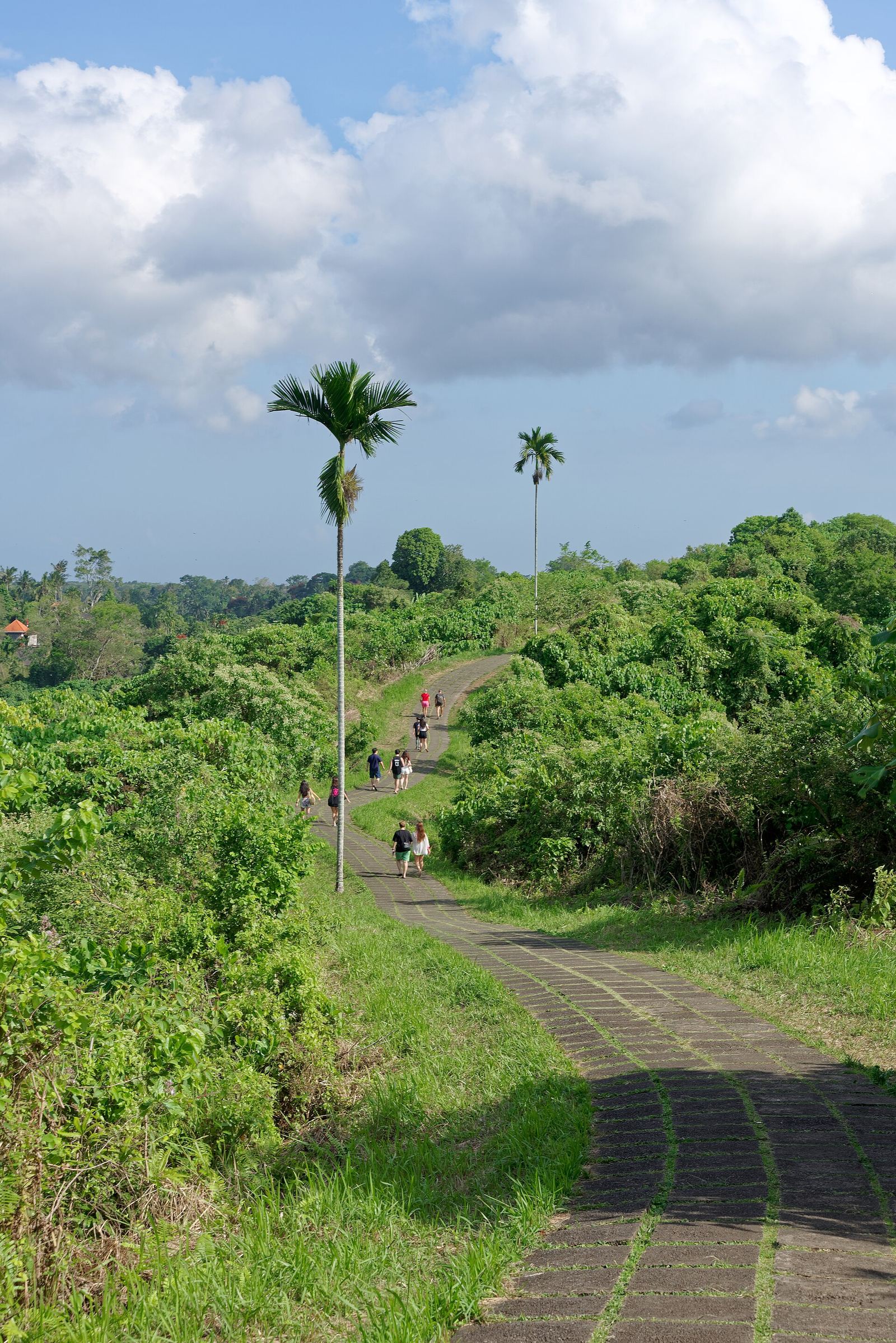
This is when most people visit, and for good reason. The vibe is sunny, breezy, and energetic. You can hike Mt Batur without slipping on muddy trails, mosquitos are less aggressive, and you can actually sit outside for dinner without worrying about sudden downpours. Waterfalls are accessible, roads are easier to navigate, and everything just feels more... doable.
The downside? Everyone else had the same idea. July and August are packed - we're talking higher prices (sometimes 30%-50% more than low season), traffic jams on the main roads, and needing to book popular restaurants days in advance. If you hate crowds, peak dry season might actually frustrate you more than a bit of rain would.
Best for: first-timers, hikers, families with kids, anyone who really doesn't want to deal with rain.
Wet Season (November-March)
Sure, it rains in the rainy season (duh). But it is usually a real tropical rain that is heavy but it ends in an hour or two. It's actually pretty predictable once you get used to it.
I am writing this post with literally a rain in front of me (it is nice, it creates the atmosphere btw). But here is why locals do not even bother checking the weather forecast, because it looks like this, you can never actually say when it is going to be (and is it):
I was never scared to visit Bali during the peak rainy season, but I understand people who do (if you are a tourist and you have a week to see the whole Bali, you probably want to make sure nothing can break your plans. Though I'd argue that rains often happen during off-season too, you can't predict that).
Anyway, I really like visiting at that time because the rains are strong but end quite fast, there are 50% fewer tourists, villa prices drop significantly. Waterfalls are at full, thundering power. And there's something magical about the afternoon storms when you're watching from a covered terrace with a coffee in hand. Aaand it is not hot.
But the cons are: humidity is high, and cheaper accommodation with poor airflow can get that musty "Ubud mold" smell on sheets and towels. Trekking gets slippery. And if you're on a scooter, you will get wet at some point.
Best for: yogis, writers, budget travelers, adventure seekers, honeymooners who want privacy, anyone who finds rain romantic rather than annoying.
Month by Month: What to Actually Expect
January & February (Deep Wet Season)

This is peak rain. Expect heavy afternoon downpours daily, high humidity, and that tropical heaviness in the air. But if you're okay with that, this is also when Ubud is at its quietest and cheapest. The rice terraces are impossibly green, crowds are minimal, and you'll have your pick of accommodation.
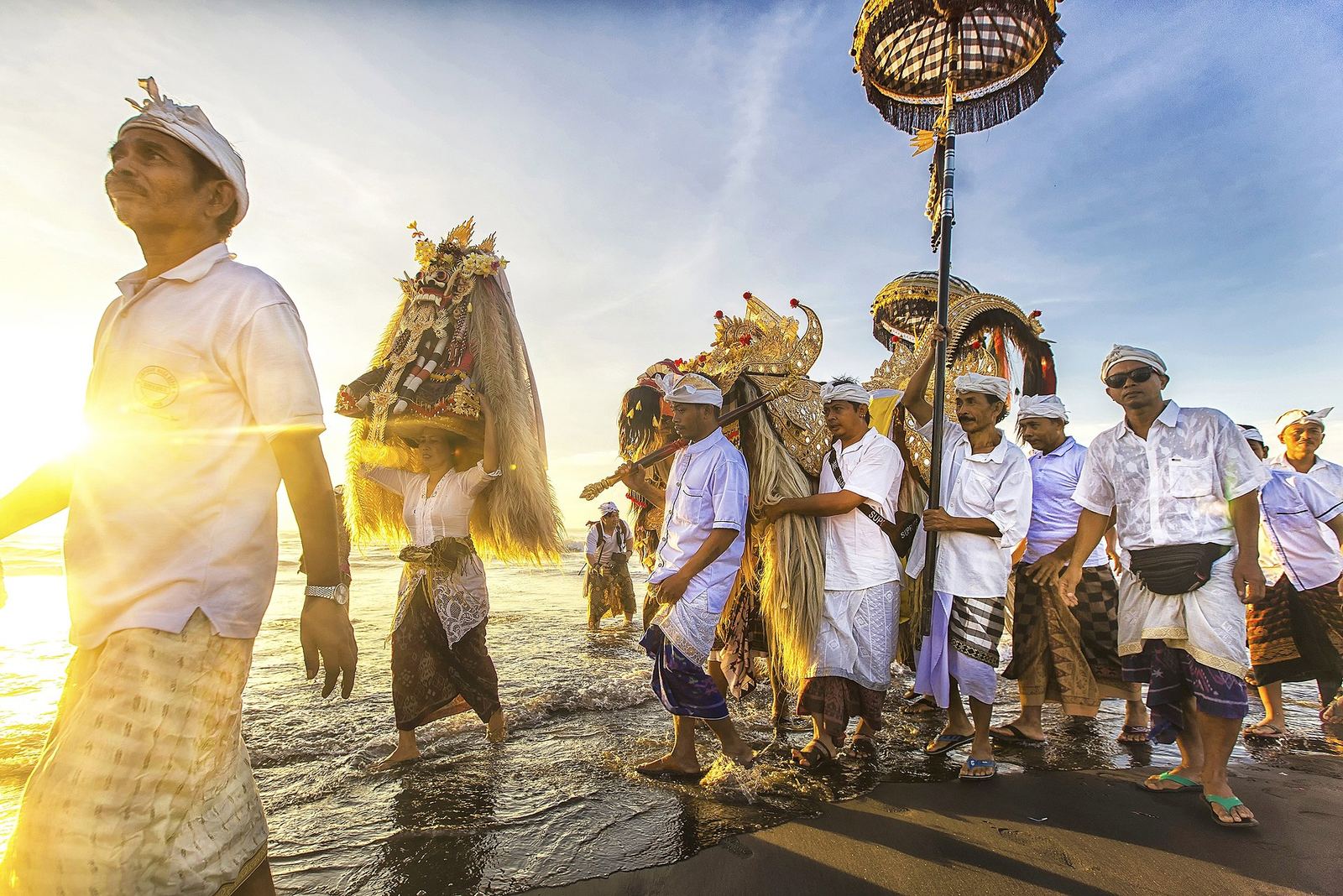
These months are great for whitewater rafting too (the rivers are high and fast), spa days, cooking classes, sound healing sessions - basically anything that doesn't require being outside all day. Galungan, one of Bali's most important Hindu festivals, often falls around this time, so check the dates if you want to experience it (lots of ceremonies and decorations on the streets).
Just pack serious mosquito repellent and book accommodation with good AC.
March (The Wildcard)
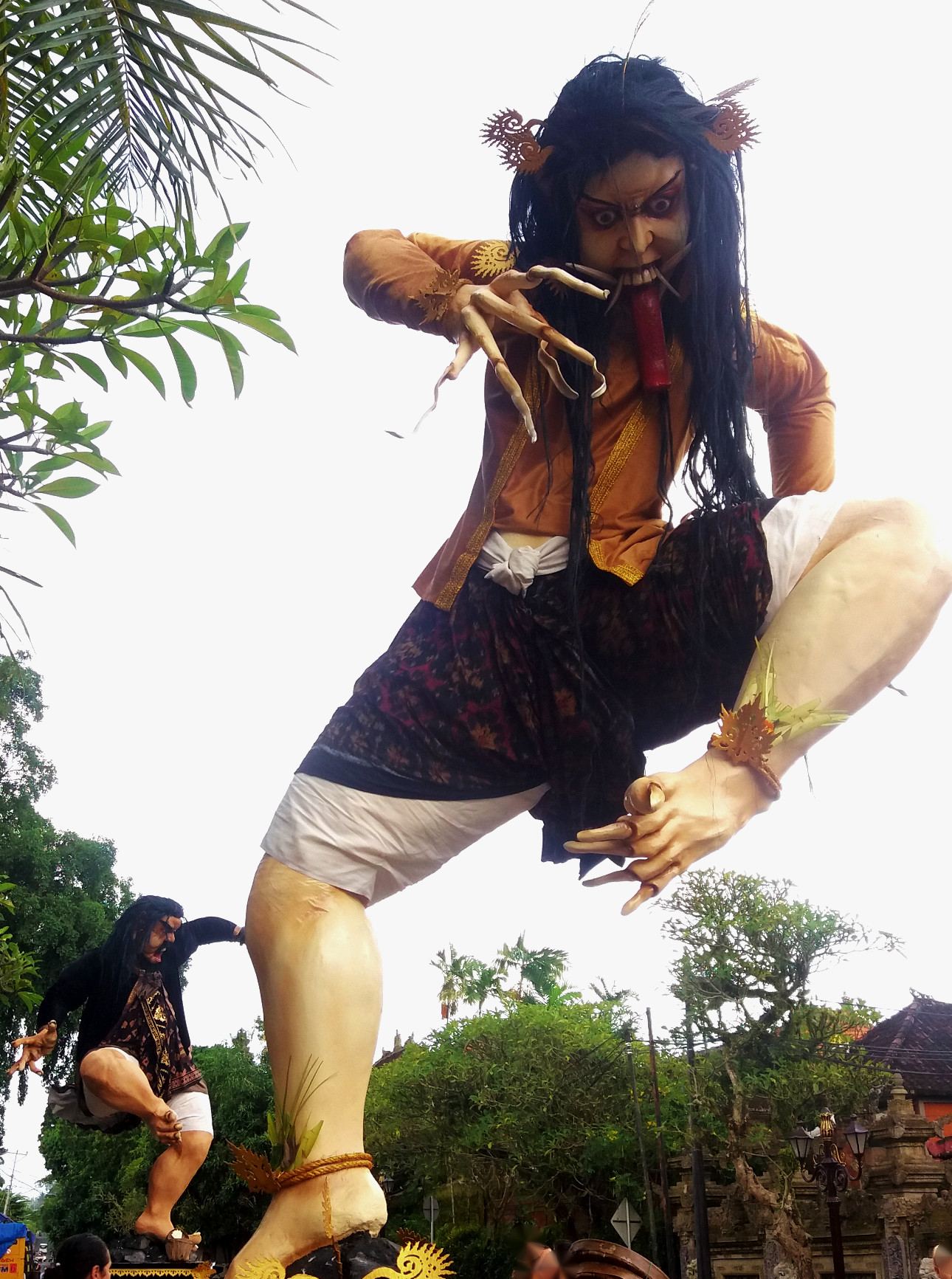
March is the transition - rain is tapering off but humidity peaks. It's hot, sticky, and a bit unpredictable weather-wise.
Nyepi (the Day of Silence) usually falls in March, and it's genuinely one of the most unique experiences you can have in Bali (or in the world?)!
The night before, villages parade giant monster effigies called Ogoh-Ogoh through the streets with drums and fire. Then on Nyepi itself, the entire island goes silent for 24 hours. No cars, no lights, no activity. If you're staying in a villa, you just... exist in the quiet.
It's surreal and beautiful, I've never experienced something like this - no noises of cars, planes (Bali is the only international airport in the world that closes over a public holiday), the stargazing on that night is out of this world beautiful!
April & May (The Sweet Spot)
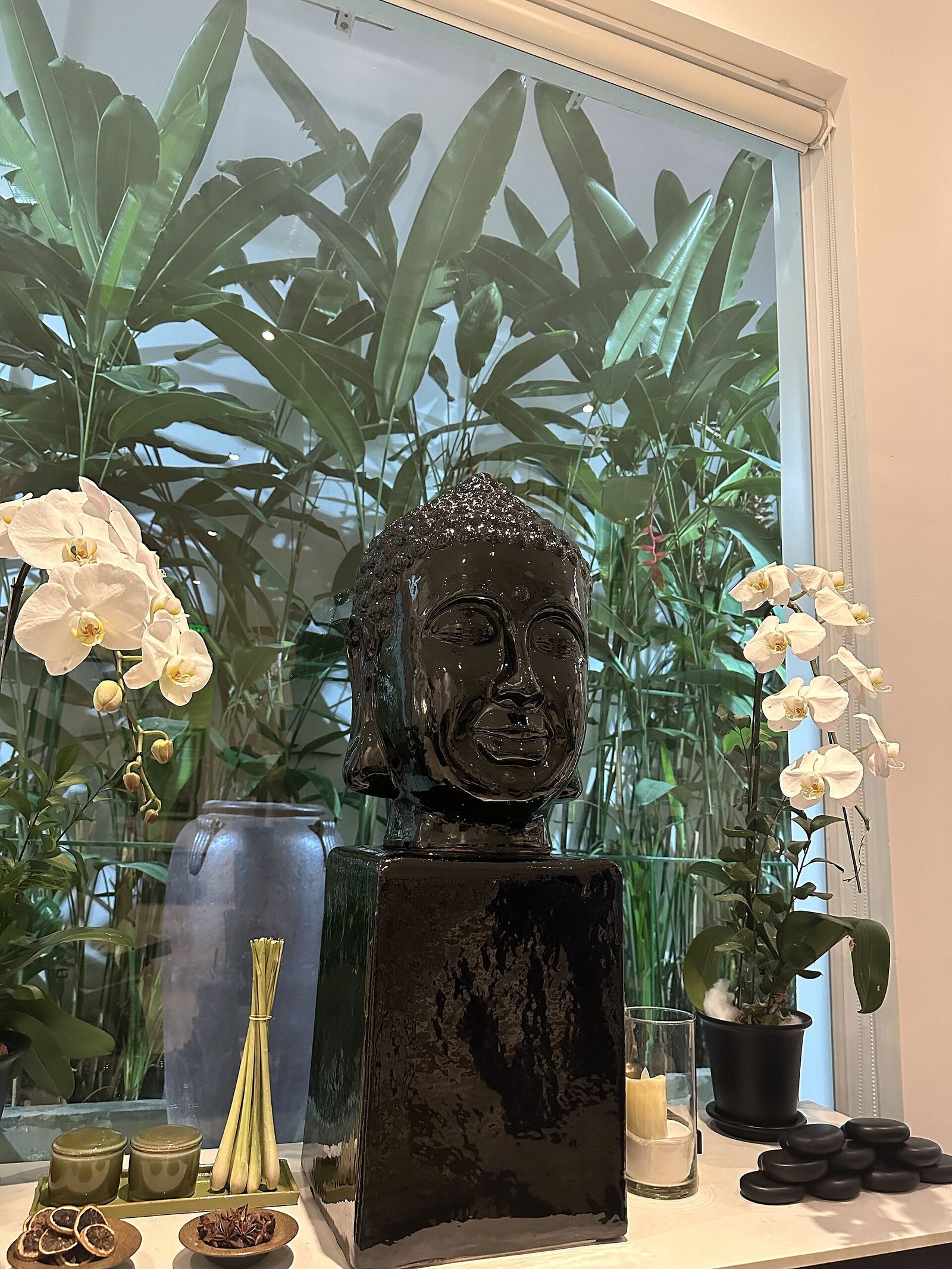
This is our pick for the best overall time to visit. The rain has stopped, everything is still lush and green from the wet season, but the peak crowds haven't descended yet. Weather is reliable, prices are reasonable, and you can actually get into popular restaurants without booking a week ahead.
April brings the Bali Spirit Festival - a huge yoga and music event that takes over Ubud for a week. Great if you're into that scene, worth knowing about if you're not (book accommodation early). May is particularly calm and lovely.
June, July & August (Peak Season)
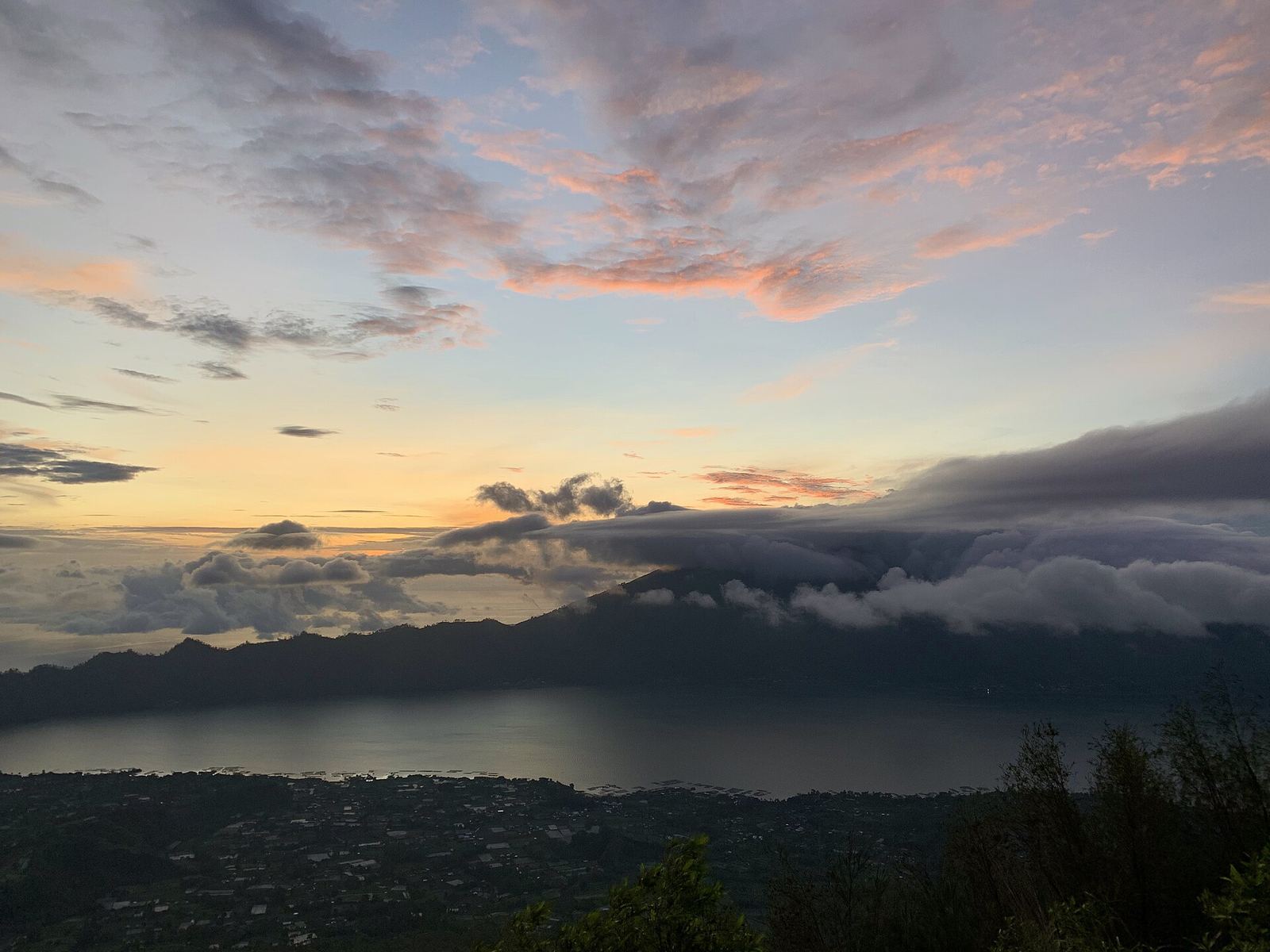
The driest and coolest months of the year. Interestingly enough, you might actually want a light jacket on a scooter at night - yes, in Bali. The weather is essentially perfect for doing anything outdoors.
The trade-off is that this is peak tourist season. Prices spike, Tegallalang rice terraces feel like a theme park, traffic on the main roads gets genuinely bad, and you need to plan ahead for everything. If you're traveling with kids during school holidays, this might be your only option - just be prepared for the crowds.
June highlight: Ubud Village Jazz Festival brings a nice vibe to town.
September & October (The Second Sweet Spot)
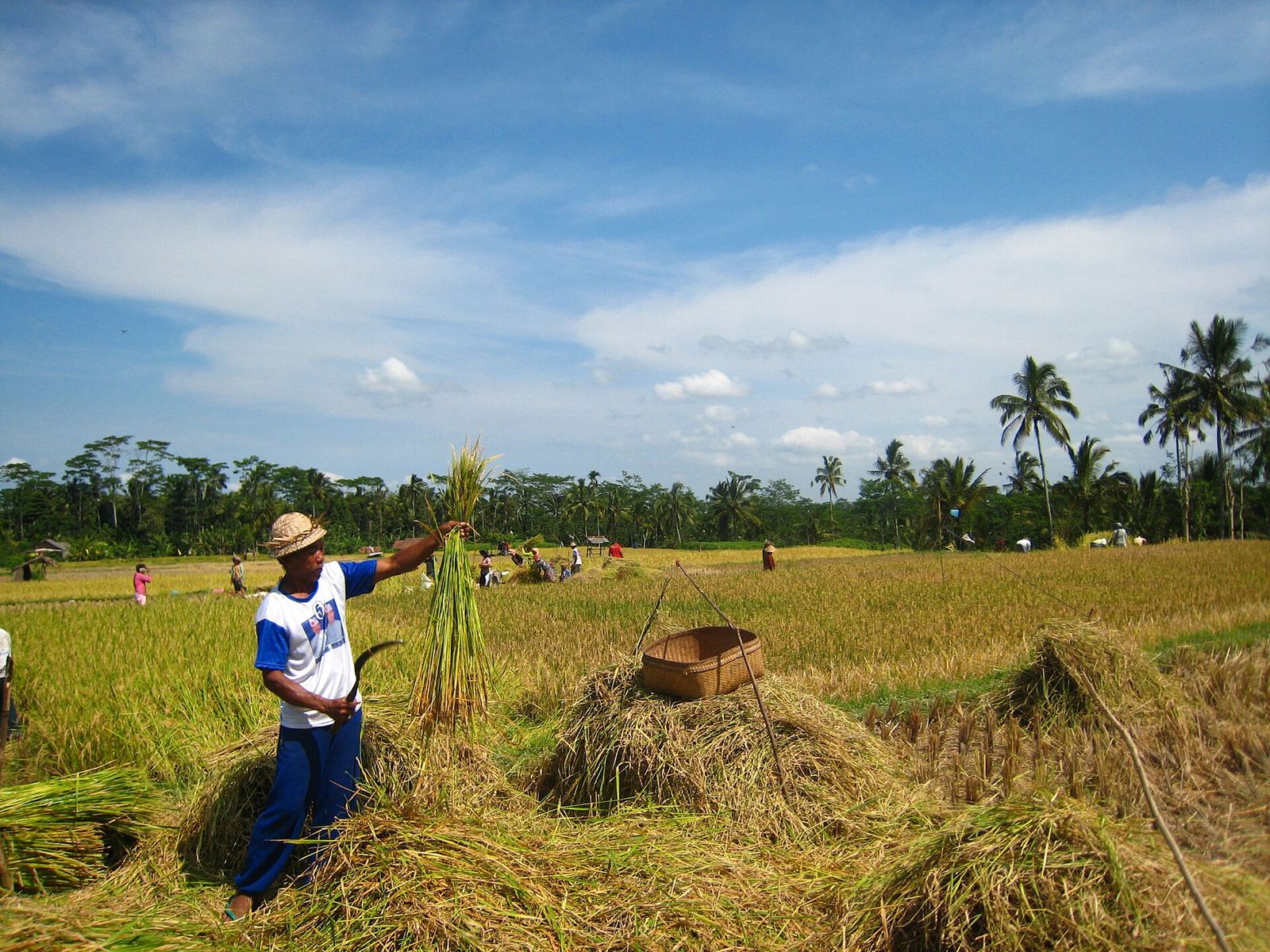
The crowds from August thin out, but the weather stays dry and pleasant. It's getting warmer, heading toward the humid pre-rain season, but still very manageable.
One thing to note: the rice harvest often happens around September-October, so the terraces might look golden or brown rather than green (though you never know, this really depends on the area too). Still beautiful, just different from the classic photos. If you specifically want that lush green look, this isn't the time.
The Ubud Writers & Readers Festival usually falls in October - a cool event if you're into books and ideas.
November & December (Rain Returns)
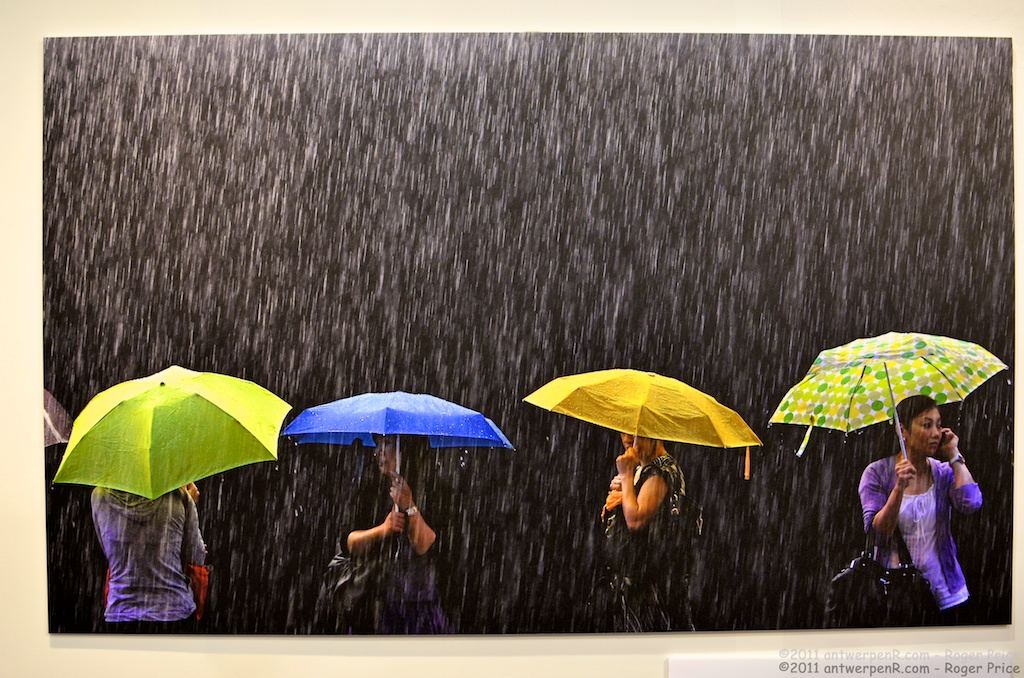
Humidity creeps back up and afternoon showers return. November is quiet and cheap - a good time for a budget-friendly visit if you don't mind some rain.
December is weird: it's wet season weather, but Christmas and New Year bring a surge of tourists anyway. Prices go up, popular spots get booked out, and you're dealing with rain on top of crowds. If you're visiting over the holidays, book accommodation well in advance.
Best Time for Specific Activities
Not all activities work equally well year-round. Here's the quick breakdown:
-
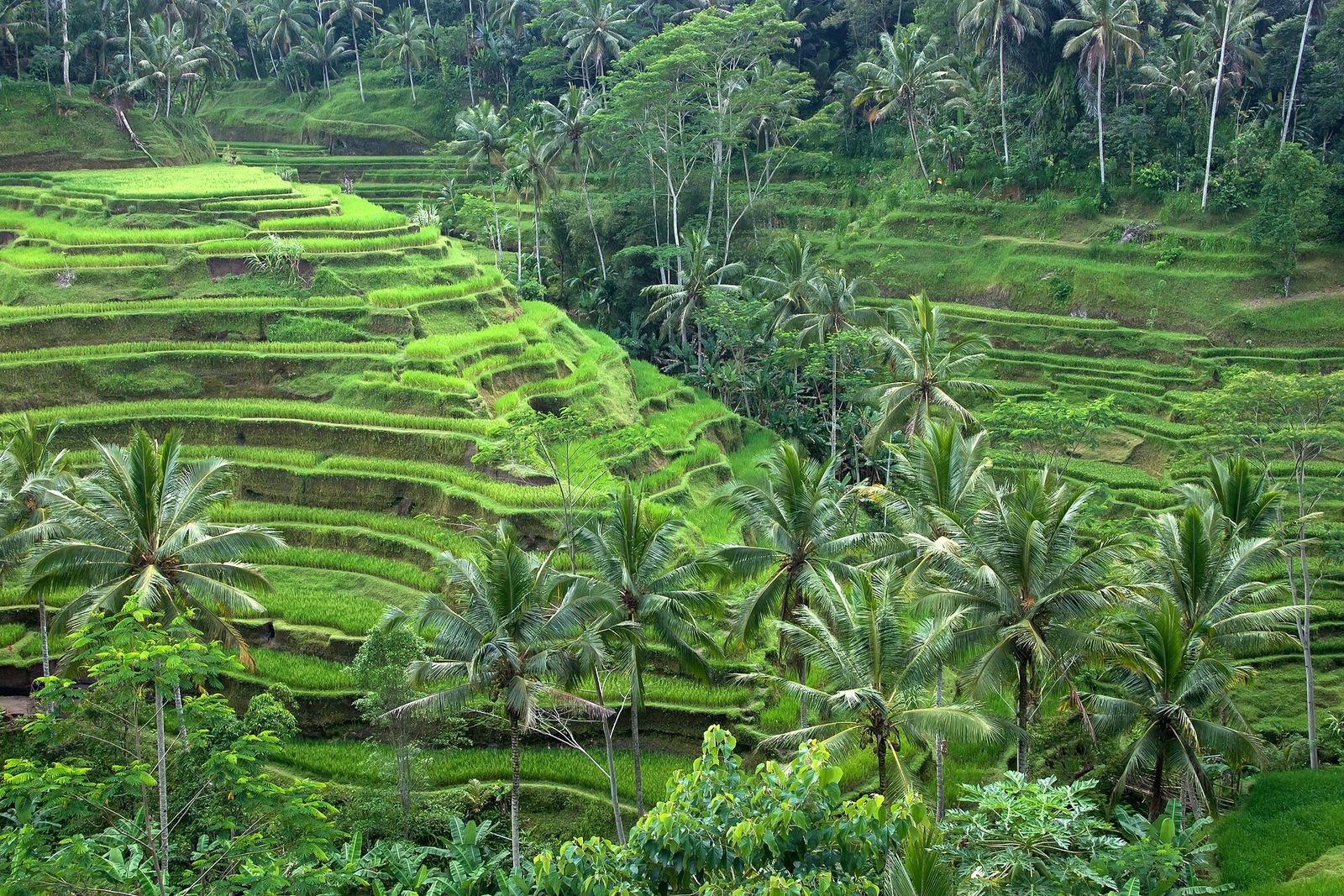
Rice terraces: Greenest from December through April, right after the rains. September-October they're often golden/harvested (although again, this is area dependant)
-
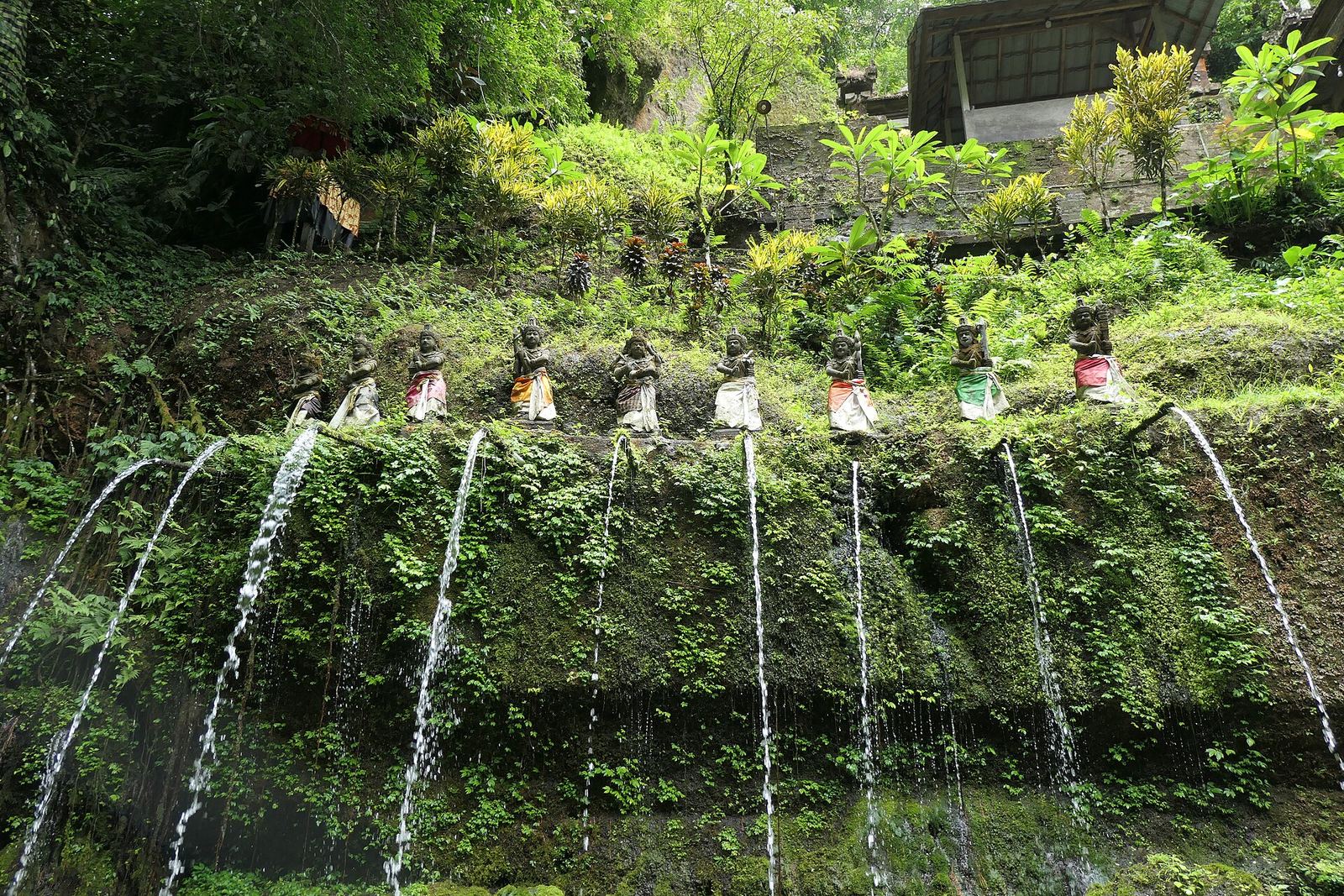
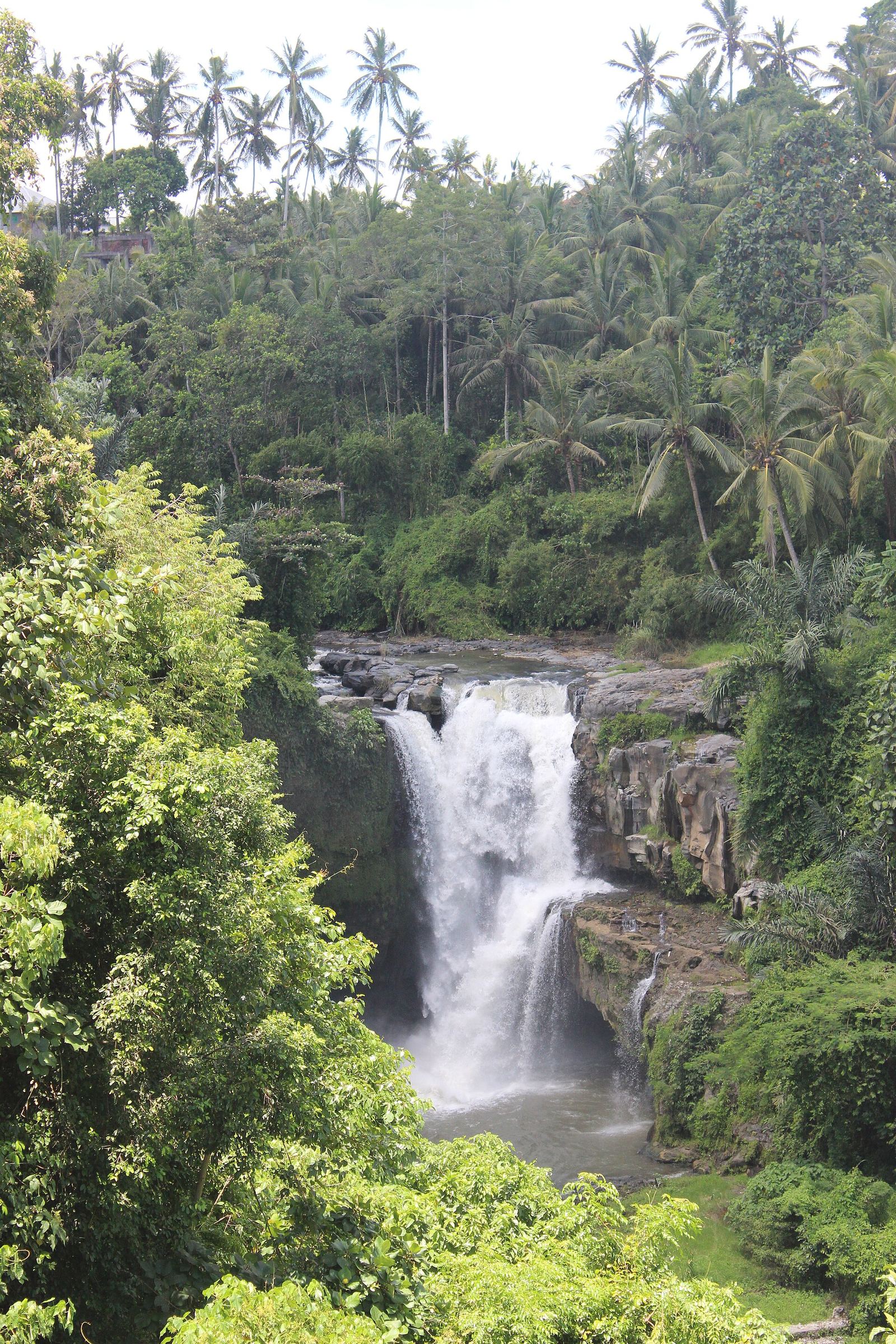
Waterfalls: Wet season means more water flow and dramatic photos. Dry season means easier access and less slippery paths.
-
Mt Batur sunrise trek: April-October is recommended as wet season makes the trails muddy and the summit views are often clouded over.
-
Yoga and wellness: Works year-round, but the wet season has a particularly introspective, slowed-down energy that suits it well.
-
Photography: Depends what you want - lush green (wet season), golden harvest (Sept-Oct), or dramatic storm clouds (transition months).
Weather-Proofing Tips
A few practical things we've learned living here:
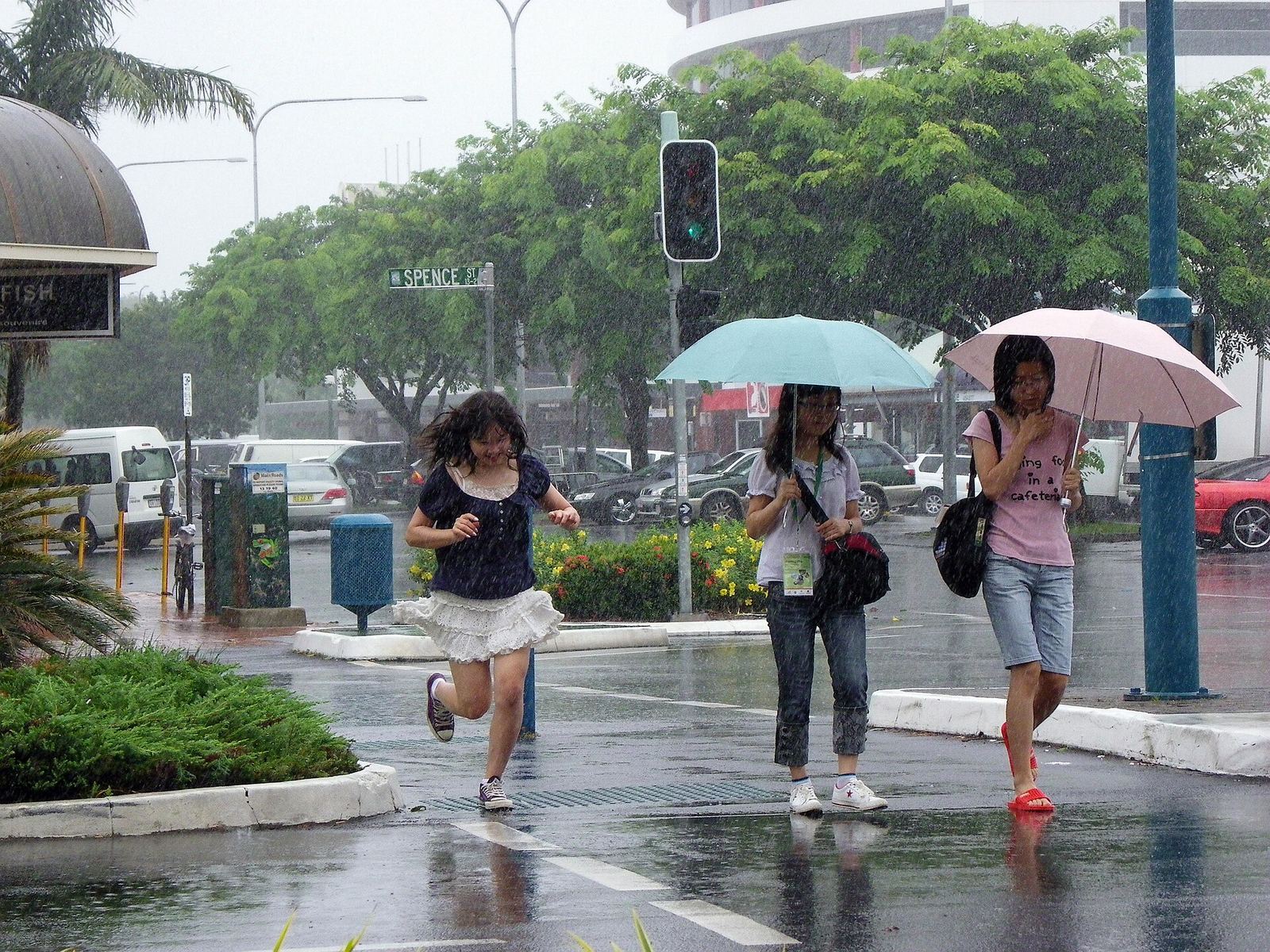
Pack a poncho, not an umbrella (or you can buy it pretty much anywhere here, just make sure to go for a good quality one, not a one time use one).
In the wet season, spend a little extra on accommodation with good airflow or AC - it makes a huge difference for comfort and avoiding damp sheets. Grab and Gojek cars take forever when it's raining (everyone orders at once), but scooters are faster if you don't mind getting wet.
And always keep a sarong in your bag - it works as an emergency rain cover, temple dress code solution, and beach blanket all in one.
For a complete list, check out our Bali packing list.
So, when should you visit?
If you want our honest recommendations:
-
Best weather: June through August - dry, cool, reliable.
-
Best balance of good weather and fewer crowds: May or September-October. This is when we tell friends to come.
-
Best for budget travelers: February - cheapest prices, emptiest streets, gorgeous green landscapes.
-
Best for culture: March during Nyepi, or whenever Galungan falls (dates change yearly based on the Balinese calendar).
But really, there's no wrong answer. We've hosted guests every single month, and they all find something to love about whenever they happen to visit (I hear guests enjoying the pool in the other villa right now despite the fact that the rain just finished).
Ubud in the rain has its own kind of magic. Ubud in the crowds still has quiet corners. Pick the time that fits your schedule and your priorities, and it'll work out. If you are also deciding how long to stay, read our guide to how many days in Ubud is enough.
For more on planning your trip, check out our complete guide to visiting Ubud for the first time. And if you're specifically considering the wet season and wondering if a villa makes it more enjoyable (spoiler: it does), take a look at Bali in rainy season: why Ubud villas are still worth it.
