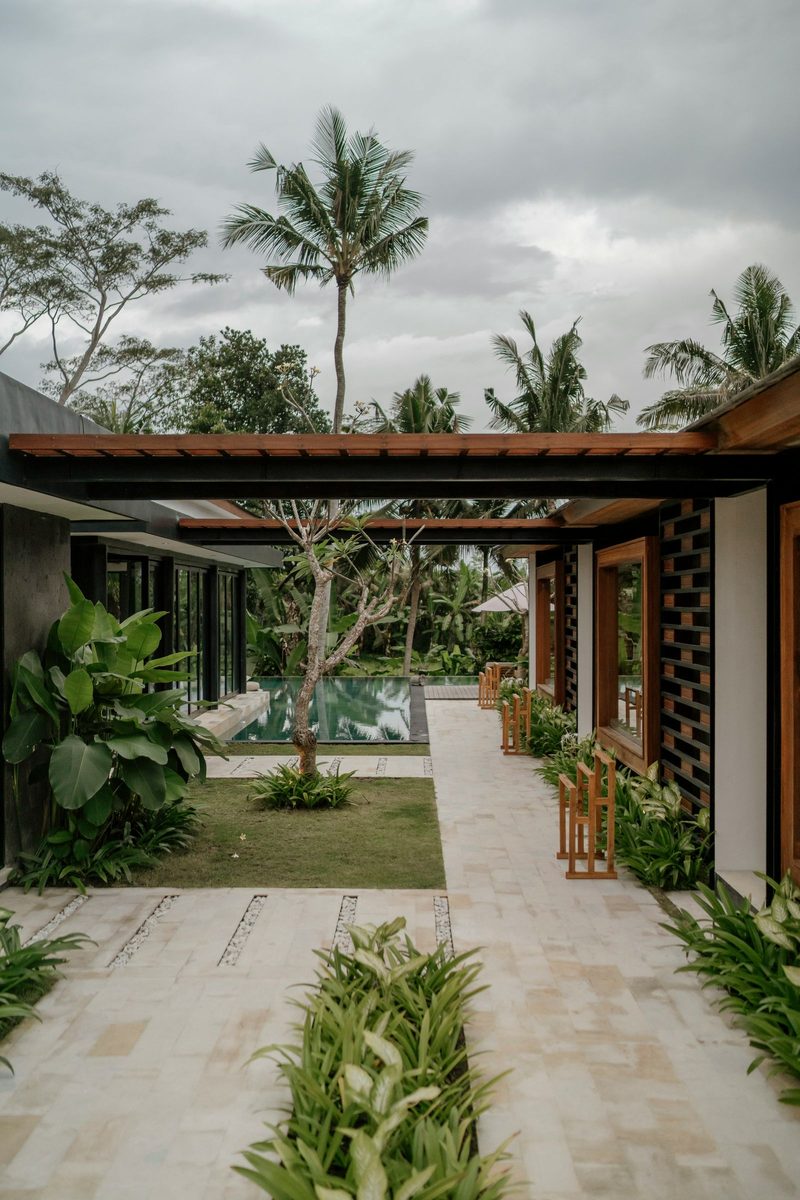
Is It Safe to Stay at a Private Villa in Bali?
Wondering if Bali villas are safe? Learn how to check location, locks, staff access, pool safety, money, and emergency support before booking.
Villas are private and peaceful, but less standardized than hotels. As someone who lived in Bali for many years, let me share my observations and advice on the best safety tips in Bali, specifically when you are staying in a villa there.
1. Most Incidents Are Petty Theft, Not Violent Crime
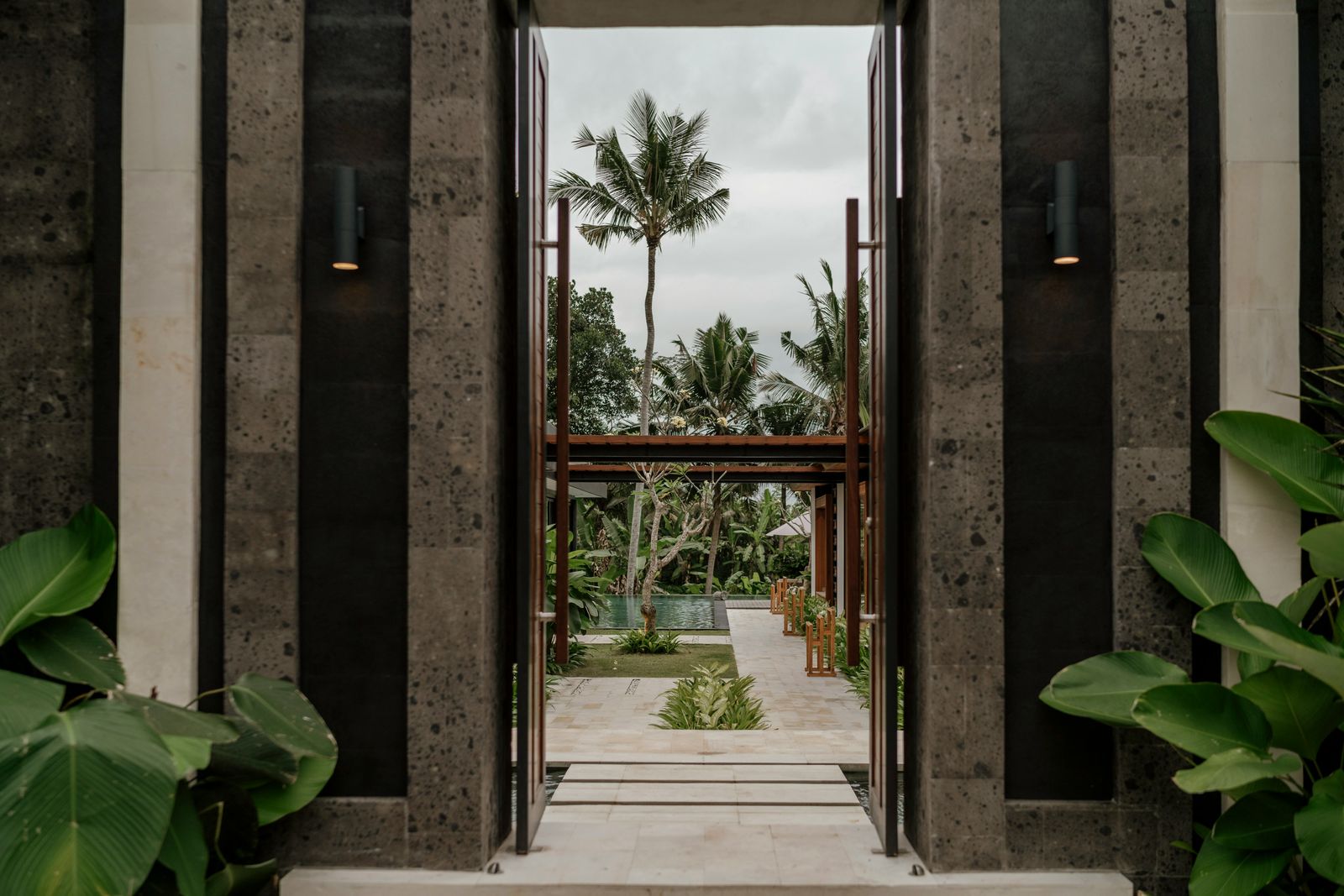
Let me put your mind at ease first: on the rare occasion something does go wrong at a villa, it is almost always petty theft, not anything scary. The most crimes I have heard about were mainly snatch-and-grab from a passing scooter, a purse left out by the pool, or the odd missing item when valuables are sitting in plain view.
Villas can feel a little less secure than hotels because there is less staff wandering around, more private ways in and out, and you are living in an actual house rather than a building with a front desk and a lobby full of people.
If this is something that scares you but you are still interested, I would definitely pick a villa with an enclosed compound and a steady stream of recent positive reviews. Close the door every time you head out, and lock your passport and cash in the villa safe.
We lived in Hubuddha for quite some time and stored valuables there. Over time, we would sometimes even forget to lock the villa, and everything was always fine. It feels extremely safe overall.
2. What To Look For In An Ubud Villa Location
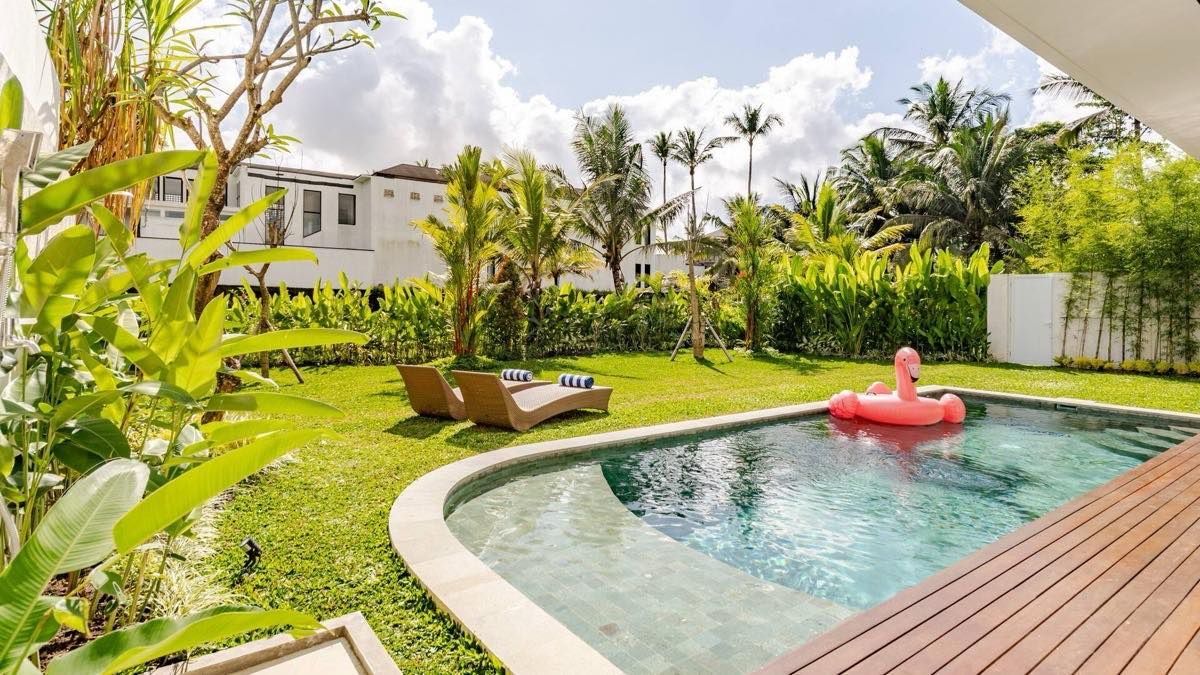
Nothing makes you uneasy faster than pulling up to a villa on a busy through-road, where strange cars and delivery bikes just blend into the background, right? So take a minute to look at the little details of how people reach your place: the roads, how visible you are, and whether a stranger would actually stand out.
Here is what I always check:
- A dead-end or quiet lane, so anyone unfamiliar sticks out.
- A clear line of sight from the gate to the street, so you can see anyone walking up.
- Decent street lighting near the gate for those late-night arrivals.
- A few regular “eyes” at the entrance to the lane: staff, a little warung, or a taxi stand.
It is probably a shameless brag, but I am proud to say at Hubuddha we have all of the above!
Why does this matter? Opportunistic break-ins rely on blending in. On a sleepy lane, a random person is obvious, and that visibility alone scares off most trouble.
A semi-watched entrance flags an odd vehicle long before it ever reaches your gate.
When our guests stay at Hubuddha, some said that the dead-end lane and the little taxi stand right at the entrance made them sleep better at night. As I said before, Ubud is generally extremely safe, but we were happy to hear that we made someone’s night feel safer and comfier.
3. How To Vet A Bali Villa Before You Book
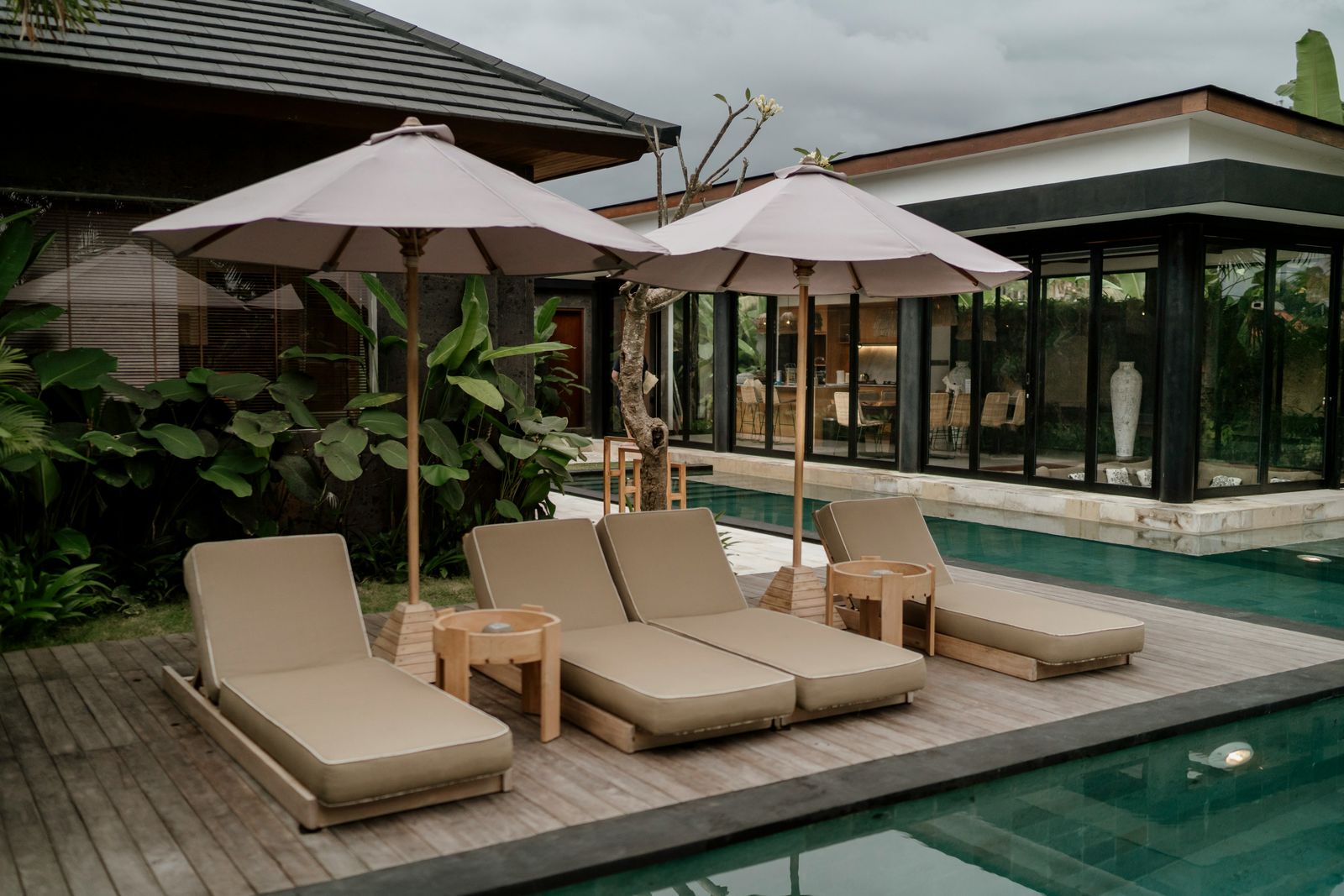
If you are worried about another type of safety, for instance the host vanishing with your deposit, let’s discuss it here. That worry is completely normal, and a short verification routine clears up most of it.
Here is the quick flow I would use, especially if it is your first time in Bali:
- Book through established platforms like Airbnb or Booking, or go direct only if the property has a real website, a stated address area, and steady recent reviews on Google Maps.
- Ask for recent photos, a live map pin, and a photo of the staff, then compare review dates and look for mentions of the team.
- Before you pay, ask the simple question: “Who will be on site to check us in and help if something comes up at night?” Get their name and contact.
And the red flags to watch for? Pricing that feels too good to be true, any pressure to wire money, a refusal to share recent photos or the exact pin, and vague answers about who is around overnight.
4. Security Checklist: Gates, Locks, Safe And CCTV
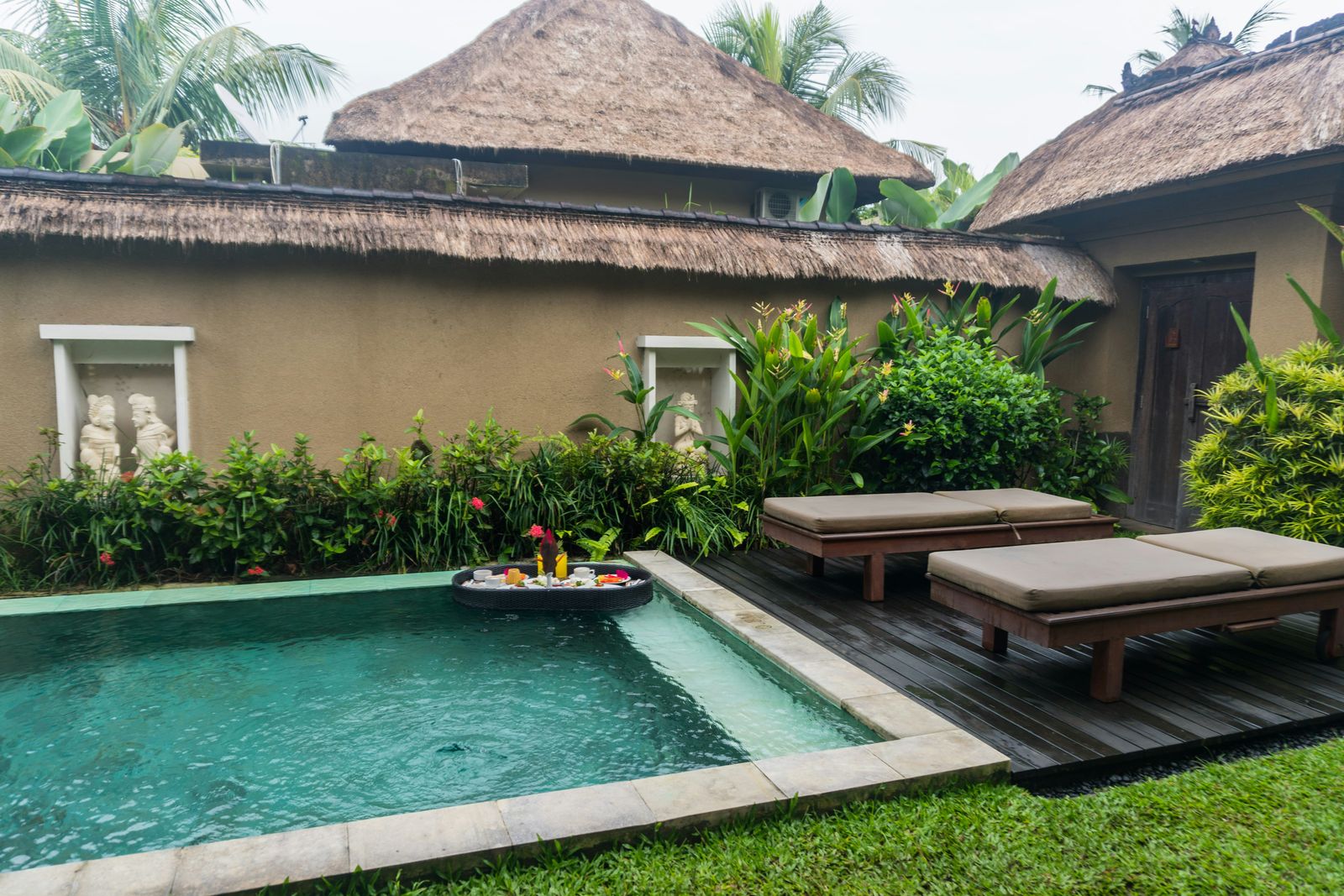
Nothing spoils a quiet Ubud morning like discovering the villa gate will not lock!
Ask about these before you book, then run a quick two-minute check the moment you arrive:
- An enclosed perimeter: a solid wall or fencing, and a gate that closes fully.
- Working external door locks and window latches on every ground-floor opening.
- An in-room safe big enough for your passports, a phone, and a small laptop or hard drive.
- CCTV covering the entry points, ideally monitored or with recorded footage.
Your quick on-arrival test:
- Try each external lock and the gate. Do they line up, latch cleanly, and stay shut?
- Open and close the windows, and check the pins or bolts actually engage.
- Set your code and test the safe with a small item inside.
- Look for live camera feeds, or ask where the footage is stored, just to confirm the cameras are really on.
Again, these are simple things, but you will be surprised how many times I saw villas not closing or the host would not even give us the key.
Anyway, just one thing I wanted to let you know about the way we do things at Hubuddha: we have CCTV cameras covering the entry from the road and the swimming pool area. We always make it very clear to our guests, and we are happy to switch off the swimming pool camera if guests want full privacy.
5. Staff Access And Housekeeping: Reduce Risk With Simple Routines

Worried about staff coming into your villa while you are out? No worries, it is totally normal, and worth talking through.
Plenty of Ubud villas, if not all, have housekeeping, gardeners, and pool technicians, which is just a different model than a hotel, not automatically less safe. Before you book, ask about the staff schedule and whether anyone comes in when guests are away.
Some guests prefer it this way, some the other way around, and we always accommodate with no problem.
If you want to leave but still worry about your valuables, which is fair enough, the fix is a few easy routines: keep valuables in the room safe, set aside one locked suitcase for your do-not-touch items, and ask for cleaning only when you are home.
Lean toward properties with trained staff and clear procedures rather than random ad-hoc helpers. Good teams log their entries, know exactly who holds the keys, and respect your privacy.
6. Five-Minute Arrival Ritual: Check Gate, Doors, And Safety Basics
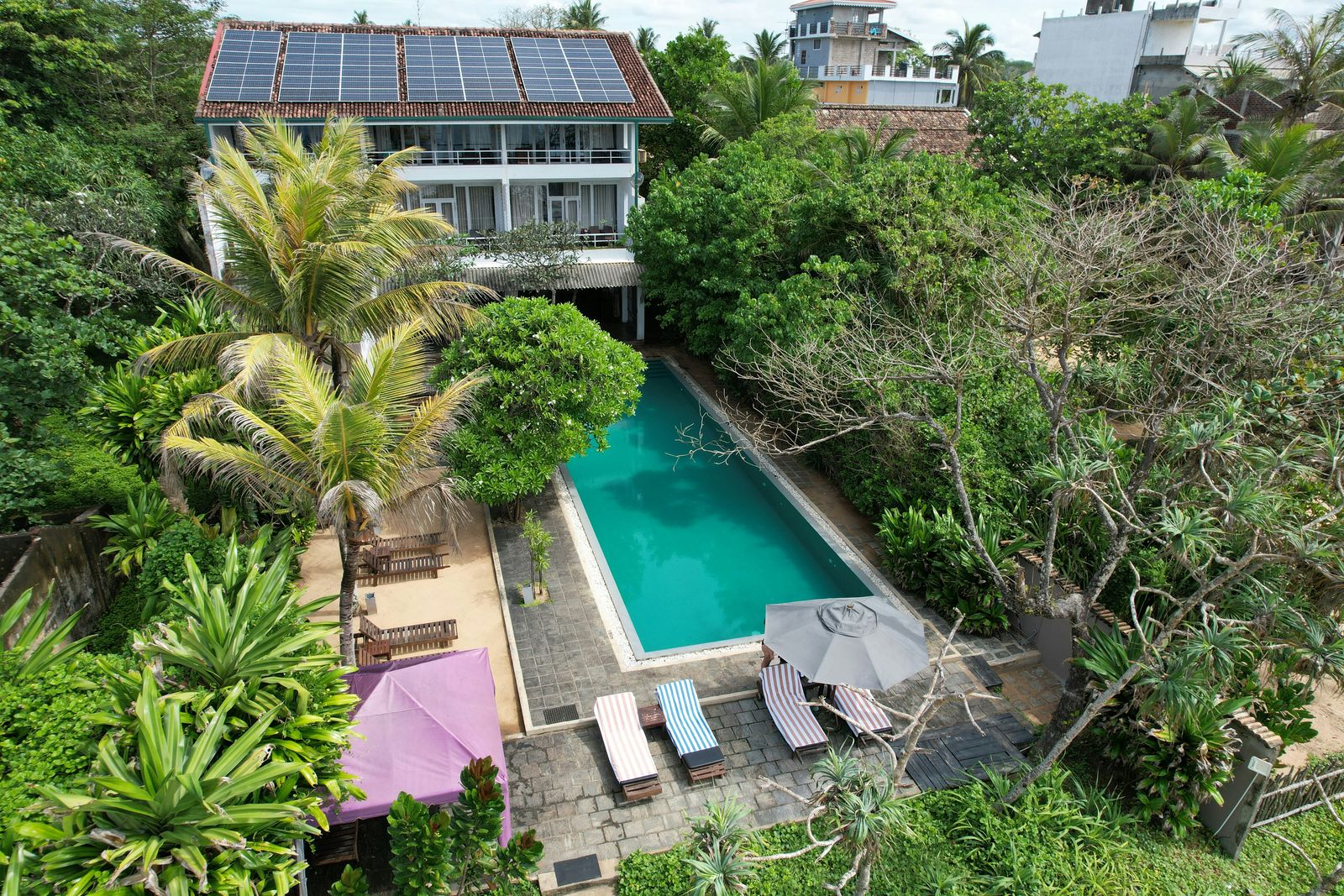
Confirm the basics with your host or manager: where the in-villa safe is, the property emergency contact, and the after-hours number or who to message if something comes up.
And if you want extra reassurance, ask them to show you the CCTV coverage and where the security-lighting switches are.
7. Locks And Safes: What Is Normal, And What Should Make You Walk Away
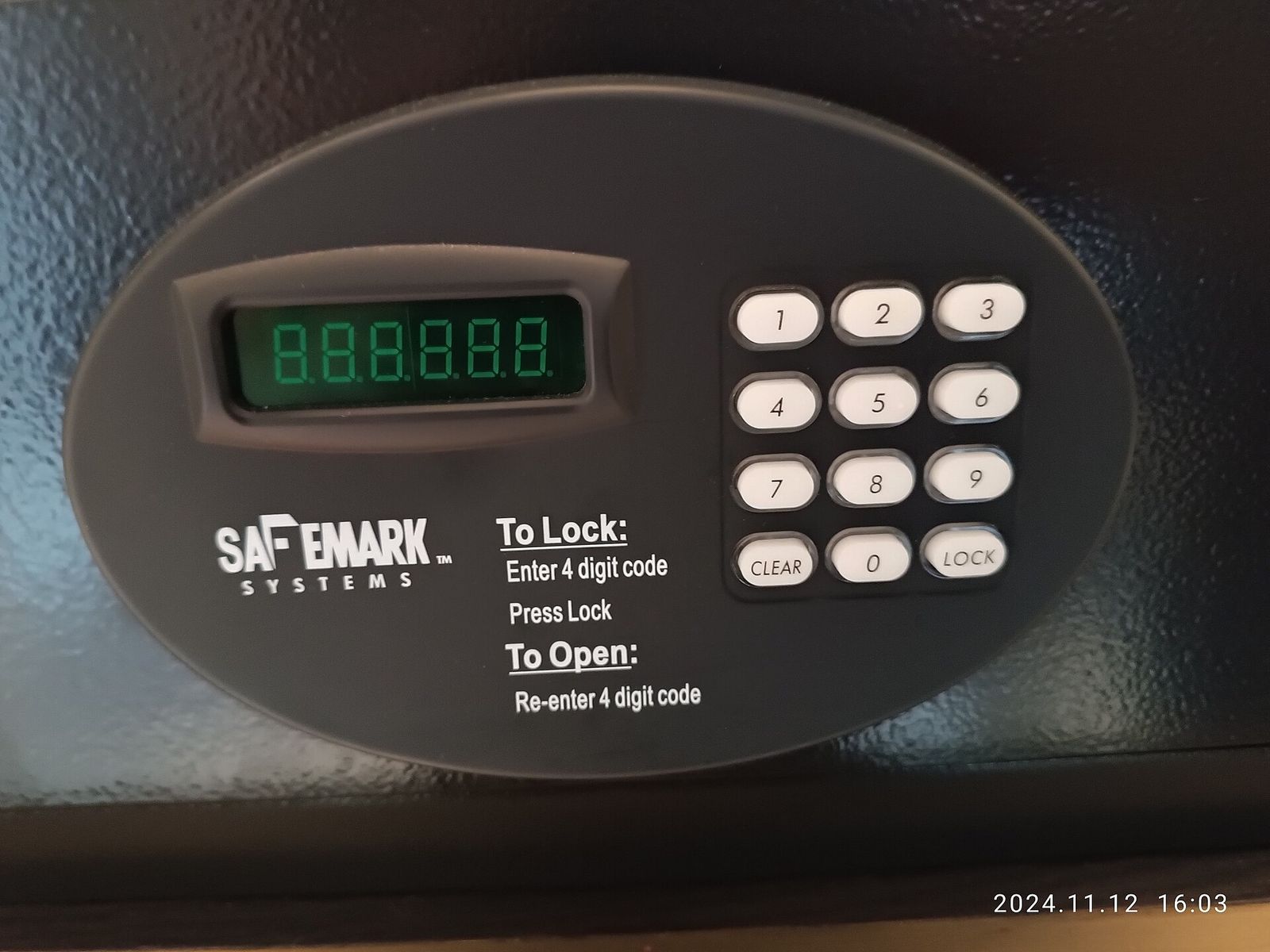
What is not okay: wobbly locks, doors that do not line up or latch, windows that will not close, or a safe that “does not work.” Those are maintenance failures and genuine security gaps, so insist they are fixed or simply choose another property. Skim the recent reviews too, for any mention of broken locks or staff turning up at odd hours.
No reliable safe? Keep your passport on you in a neck pouch, use a locked suitcase stashed out of sight, and always test any safe when you arrive.
8. Pool Safety: Ask Before You Book And Practical In-Villa Rules

If you are traveling with little ones, nothing ruins a calm morning quite like picturing a toddler opening a pool door at night.
Before you book, or right when you arrive, ask about:
- Pool depths at the shallow and deep ends, and whether the depth markers are easy to see.
- The entry type: wide steps or a bench versus a ladder, which really matters for kids and non-swimmers.
- Pool gates, fencing, or child-safe locks on any doors that open straight to the water.
- The pool edge surface, whether it is anti-slip, and if the villa can set up a temporary safety fence.
An enclosed villa really does cut down the wandering risk, but please remember, it never replaces a watchful adult.
Hubuddha will be happy to provide a pool fence for an extra payment. Please request it in advance. We also provide floaties free of charge, just let us know you will need them in advance too!
9. Kitchen, Gas And Electrical Safety: What To Ask On Arrival
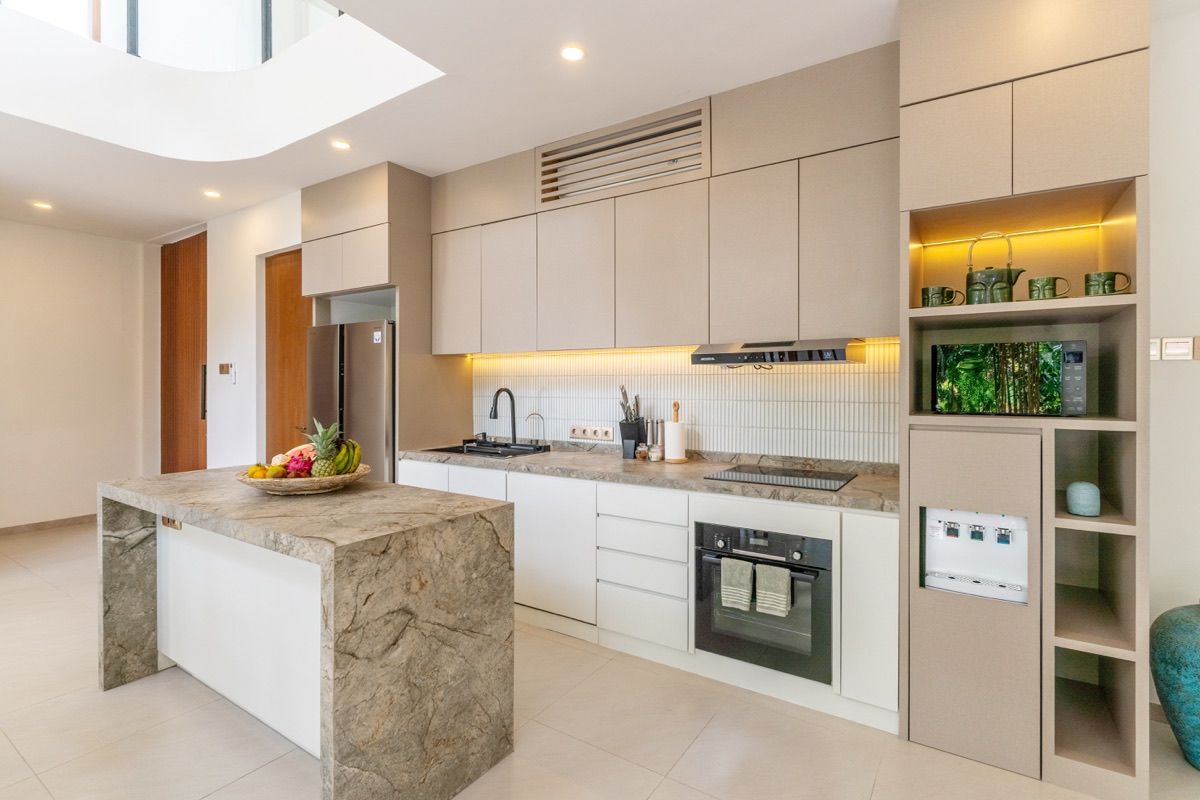
If you plan to cook, ask your host to show you how to turn the LPG or stove on and off, where the cylinder and emergency gas valve are, and exactly what to do if you ever smell gas: open the windows, step outside, shut the valve, and call the host or emergency services.
Get them to point out the main breaker or fuse box when you arrive, avoid daisy-chaining extension cords, and keep water well away from the sockets.
10. Emergency Response Plan: What To Do If A Break-In Or Theft Happens
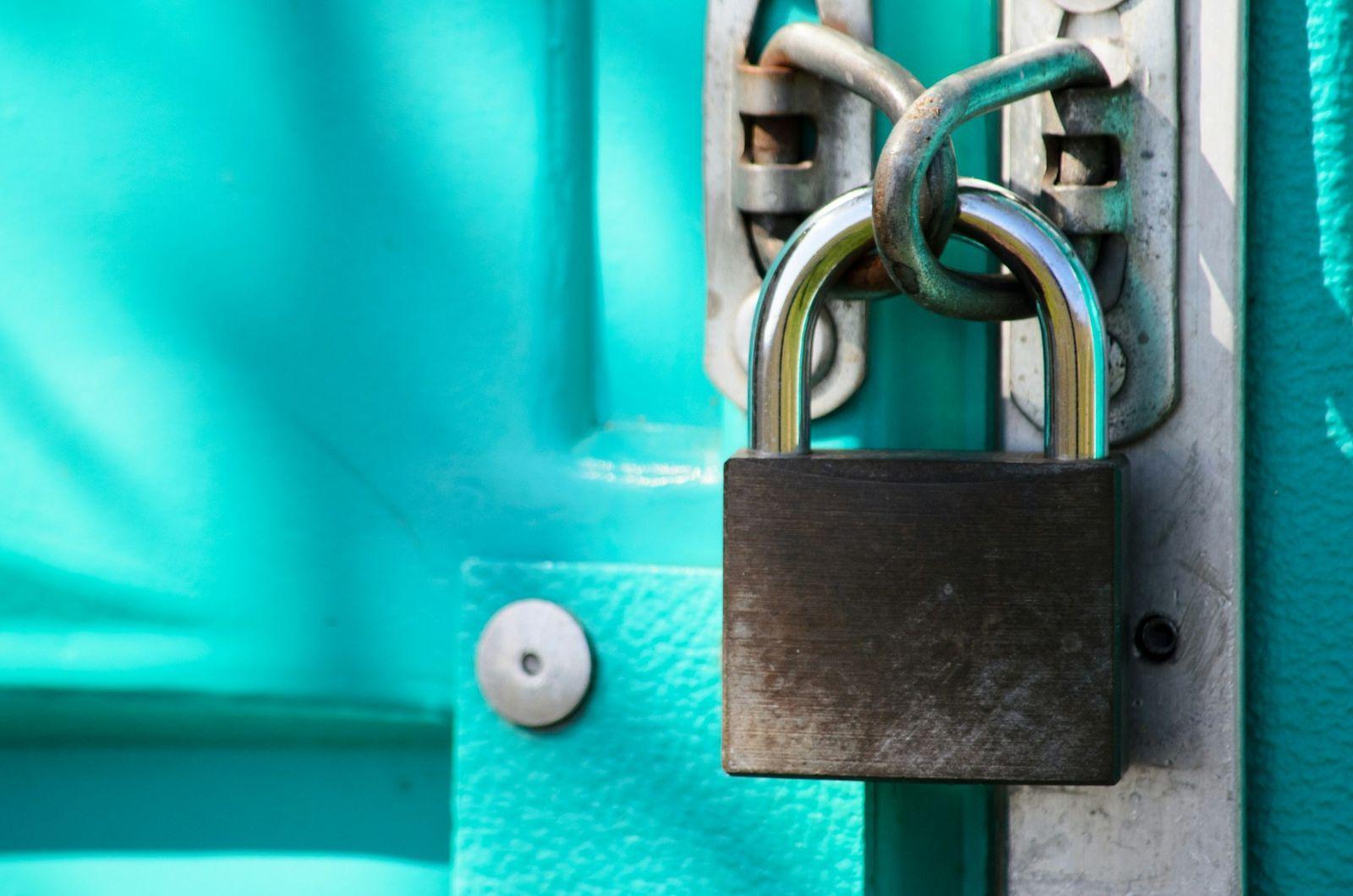
If you ever come back to a break-in or missing items, take a breath and follow this plan:
- Tell villa management straight away, and ask them to secure the doors and CCTV and keep staff off the scene until police arrive.
- Document everything: dated photos and short videos, a written list of what is missing with rough values, and notes on times and locations.
- Write down the names and times of anyone you speak to, and protect any physical evidence where it is safe to.
Who to contact:
- Emergency services: 112. Police hotline for reports: 110.
- Insist on a formal police report. Insurers and platform disputes will want the complaint number and the reporting officer’s details.
- Talk to your insurance if yours covers it.
Response times do vary across Bali, and being in a managed villa with clear access usually speeds things up.
Frequently Asked Questions: Ubud And Bali Villa Safety

Is Ubud Safe For Tourists, Including At Night?
Yes, Ubud is generally very safe for tourists, even at night, especially around the established areas and tourist hubs. Just use normal street smarts: stick to lit lanes, keep your phone and bag close, and arrange a driver or a Grab for late returns.
Are Private Villas Less Safe Than Hotels In Bali?
Not automatically, it is more of a trade-off: hotels offer standardized security and staff on site, while villas give you privacy and fewer eyes around. A well-run, enclosed villa with a solid gate, visible CCTV, keyed bedroom locks, and a trained team that logs staff access can honestly feel extremely safe.
How Do I Reduce The Risk Of Staff Theft Without Offending Anyone?
Use the villa safe, keep a locked suitcase for your extra valuables, and schedule housekeeping for when you are home, then politely confirm who holds the keys. Clear procedures actually protect both you and the staff by removing any ambiguity, and good teams genuinely appreciate it.
Do I Need To Bring Extra Security Gadgets Like Door Alarms Or Portable Locks?
Usually not in a professionally managed villa, but a small gadget can comfort an anxious sleeper. Get the fundamentals right first: an enclosed perimeter, locks that truly latch, an in-room safe, and good outdoor lighting, and treat any portable alarm or travel lock as a backup, never a substitute for faulty hardware.
What Is The Single Best Safety Feature To Prioritize When Booking A Bali Villa?
Controlled access plus visibility: an enclosed property with a lockable gate, clear sightlines from the street, good lighting, and ideally CCTV on the entry points. That combination deters opportunists and speeds up help if anything odd ever happens, and you are always welcome to ask us at Hubuddha for the exact criteria we check before we list a villa.
Final Thoughts
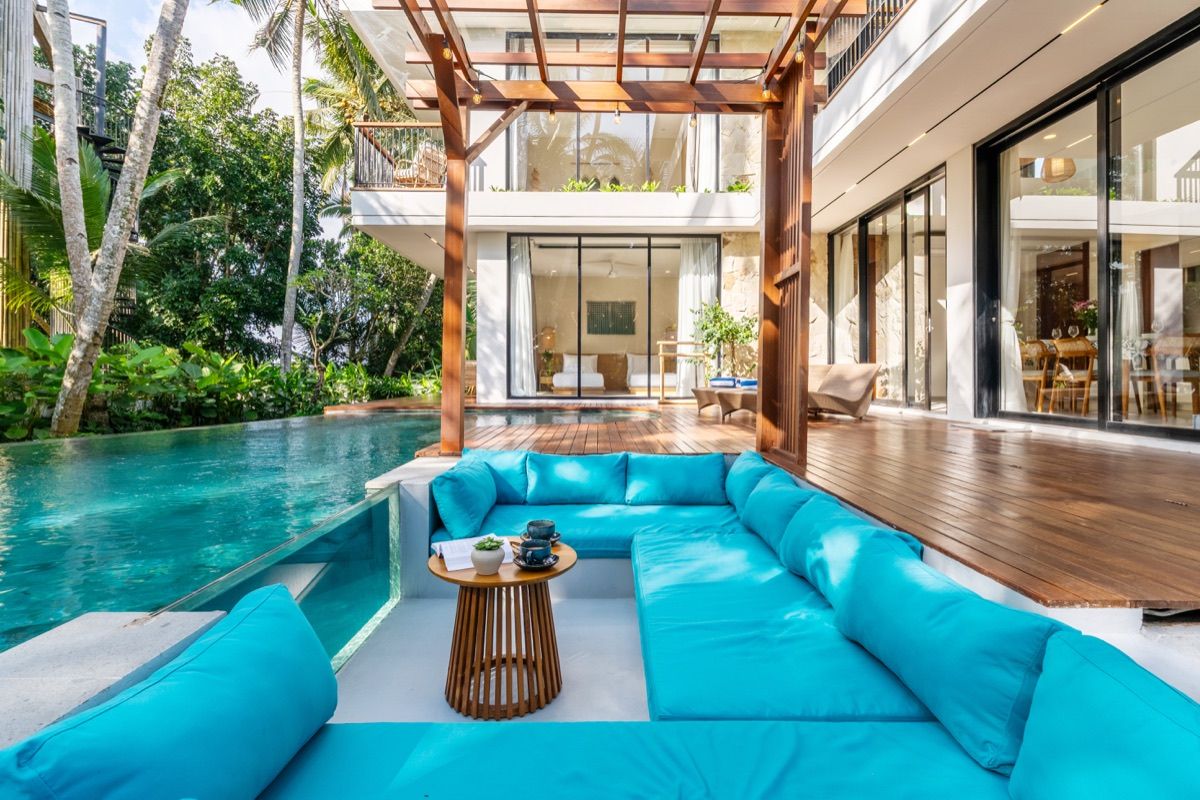
Private villas in Bali are generally very safe, and Ubud especially can feel calm, friendly, and peaceful once you understand how villa stays work. The goal is not to be paranoid, it is to choose a place with sensible basics: good access, working locks, visible support, clear staff routines, and a team you can message if anything comes up.
If you are planning a villa stay in Ubud, you can browse Hubuddha Villas, compare our 2 Bedroom Villa and 3 Bedroom Villa, or book directly here. We are always happy to answer practical safety questions before you arrive.
