Bali Belly in Ubud: Prevention, Remedies & Doctors
Prevent Bali Belly in Ubud with water safety, food hygiene, remedies, doctor red flags, medical help, and what to do in the first 24 to 48 hours.
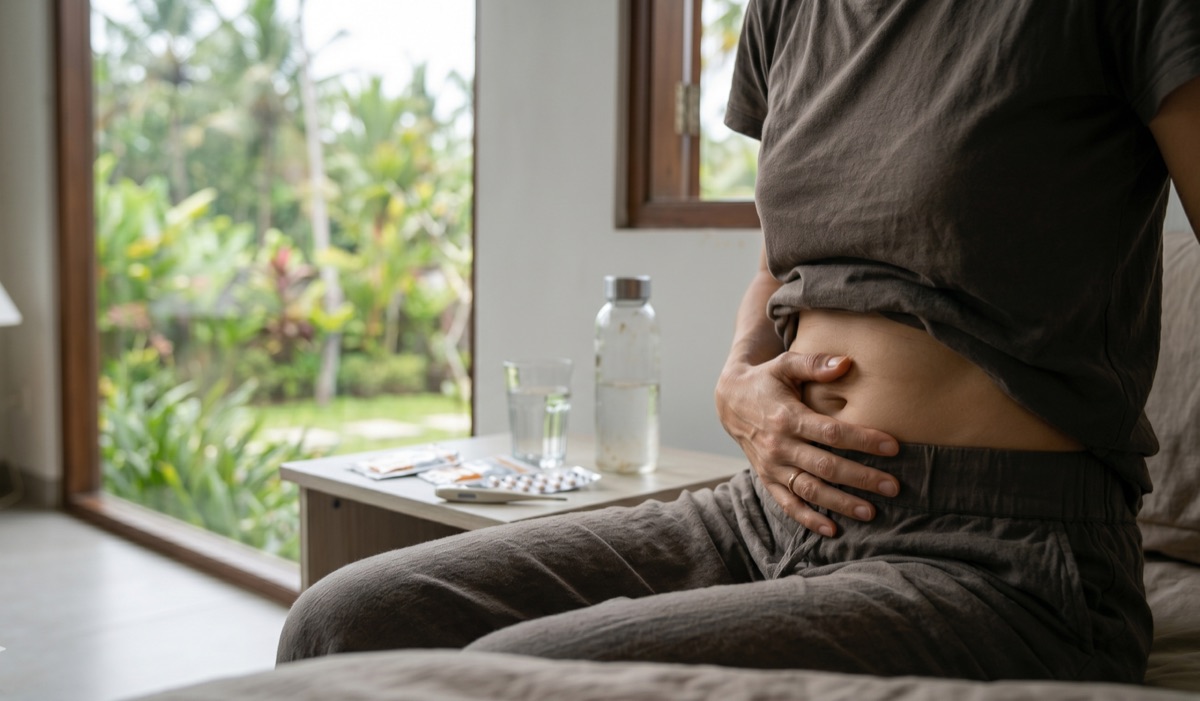
Nobody wants to come to Ubud to spend precious trip time in the bathroom. And I get it: dealing with Bali Belly is the last thing you want. It is traveler's diarrhea, usually mild and short-lived, though sometimes it needs a doctor.
As your friend living here, I’ll show you how to prevent it, what to do in the first 24 to 48 hours, and where to find proper medical help.
1. Be Strict About Your Water (Seriously)

Honestly, tap water is Bali Belly's number one preventable trigger. The golden rule is simple: never drink tap water.
Instead, always opt for sealed bottled water. Most reputable accommodations, like our Hubuddha villas, provide safe, filtered water dispensers for eco-friendly refilling. Be discerning with refill stations because not all are safe.
Funnily enough, the water at our villa comes from a very deep well and is supposedly safe to drink, but I have never tried it because I do not want to risk it. Brushing teeth and taking showers is completely safe and tested a million times, of course.
Now, there is also ice. Most cafes and hotels usually use purified ice, they buy it in bulk from supermarkets, so you are generally safe. However, smaller warungs or street stalls are more of a question mark to me. If you are sensitive or already delicate, just skip the ice.
2. Eating Smart: Your On-the-Spot Food Safety Checklist
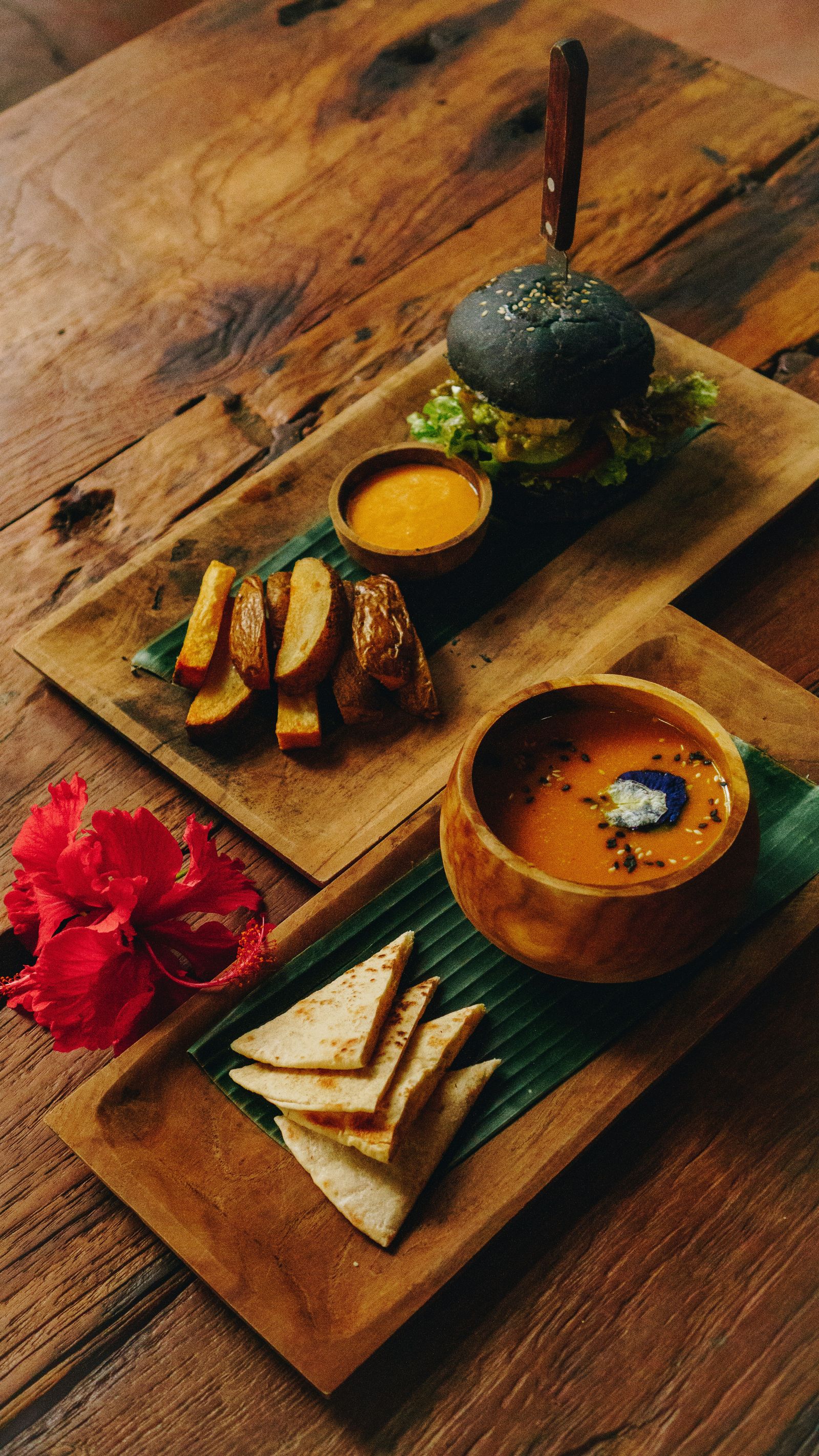
After water safety, smart food choices are your next big defense against Bali Belly. My simple food safety rule is this: high turnover and fresh, hot cooking dramatically lower risk. This is because bacteria multiply in food left at room temperature.
At a local warung, pick the one buzzing with people. Busy spots mean food is cooked to order and consumed quickly. Always choose dishes served steaming hot. For cafes, salads and cold drinks are generally safer, but still give the place a quick hygiene once-over. Be extra careful with buffets because lukewarm food sitting out is a common trigger.
We have an article about the best cafes and restaurants in Ubud, check it out when it is live. All of them are tested multiple times by me.
During your first few days, try to avoid raw salads, pre-cut or unpeeled fruit, questionable seafood, and creamy sauces left out for too long. Ubud has many amazing wellness cafes with delicious raw food options, but remember: raw food is still raw food, carrying inherent risks if not handled perfectly.
Trust your eyes: look for clean tables, covered food, staff using tongs, and visible handwashing.
3. Don't Forget Your Hands: Smart Travel Hygiene
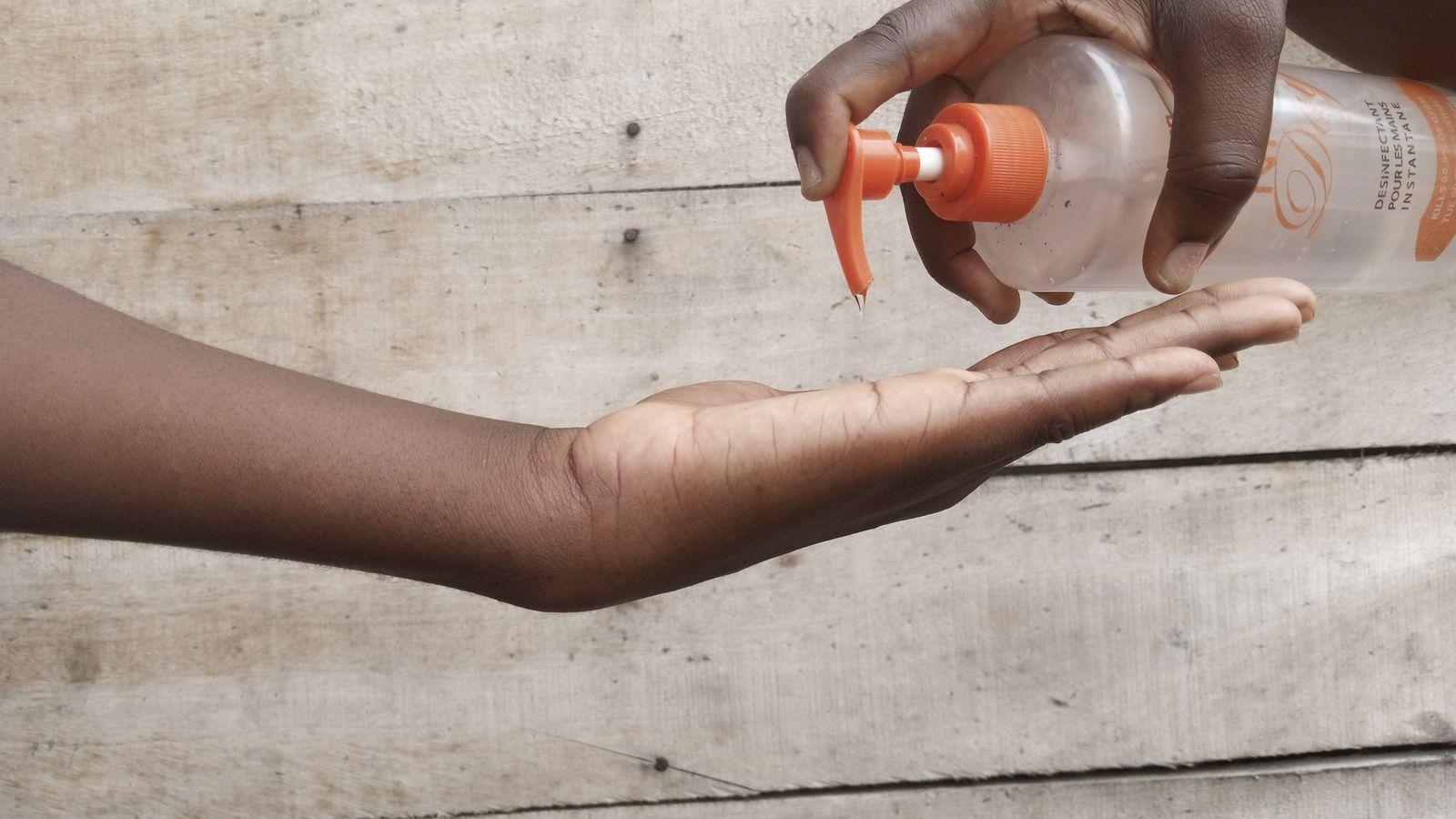
You touch more germs than you realize on a travel day. Your hands are constantly picking up pathogens from cash, ride-hailing scooters, and high-contact surfaces.
A mini hygiene kit may actually be a great idea. Always carry hand sanitizer, gel or spray, and wet wipes with you. If you are worried about food poisoning, use it religiously: after cash or credit cards, after any ride-hailing trip, before eating, after vibrant markets, and definitely after petting a curious monkey. And yes, always after the bathroom. Sometimes, those taps are germier than you think.
The good news is that pretty much all restaurants now have multiple sinks everywhere, sometimes one right at the entrance. This was a rule introduced around COVID time and it kind of stayed with them.
PRO TIP: If you want to be 100% safe, regularly wipe down your phone. Sometimes, especially in Ubud, they give you one of those reusable straws. I do not know how much I like it, to be honest. We can never be sure it was cleaned well, so in that case I just sip with my mouth.
4. Boost Your Gut (With Probiotics)
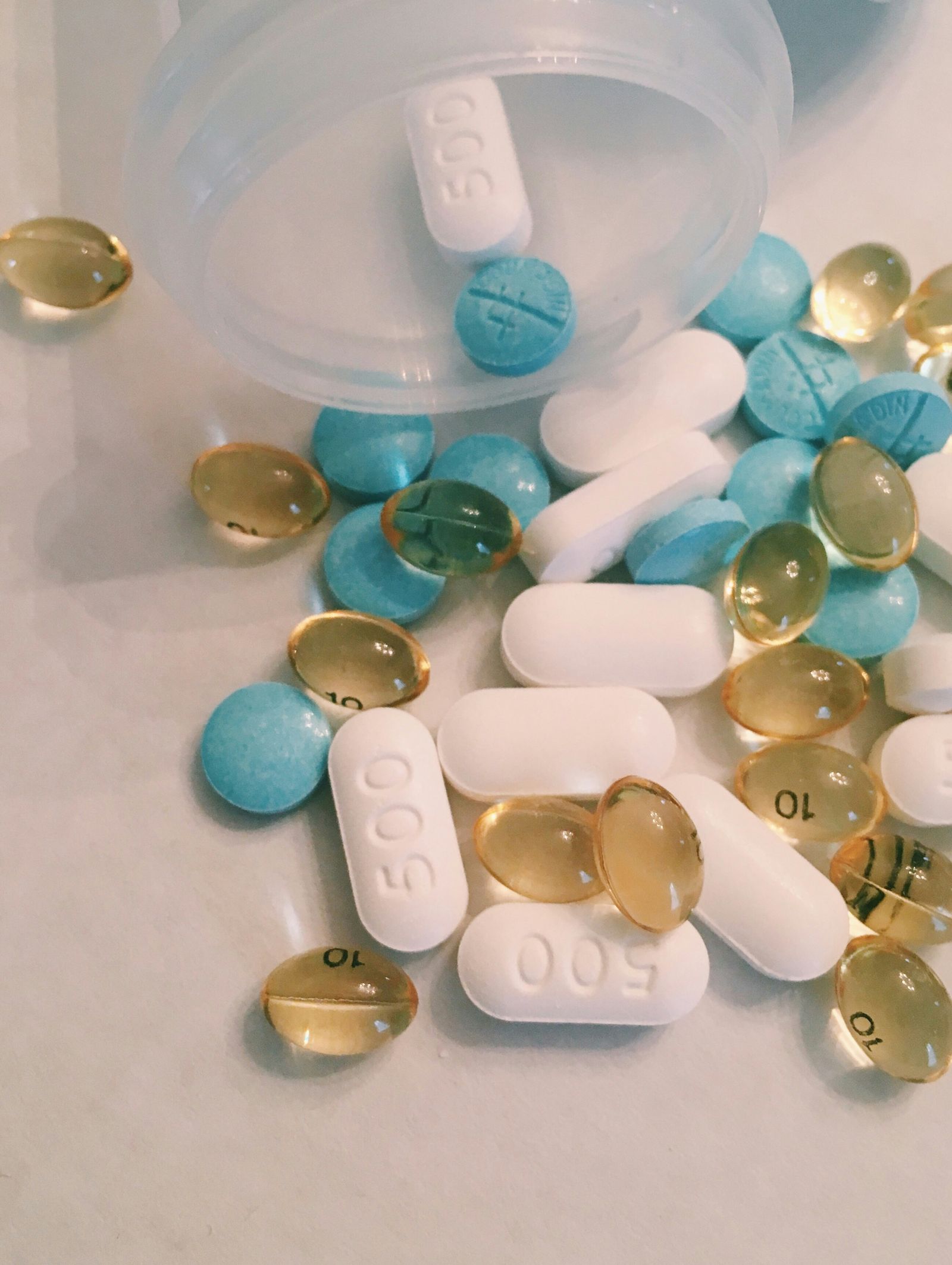
After water and smart eating, many travelers add probiotics to their Bali Belly prevention toolkit. While they might help some people, they are not a guaranteed shield against traveler's diarrhea, but rather an extra layer of gut support.
If you opt for probiotics, start a trusted brand 10 to 14 days before your trip, then continue daily in Ubud. Always check with your clinician first for suitability. Some probiotics are sensitive to tropical heat, so choose a shelf-stable variety or keep them cool.
Probiotics complement strict hygiene and safe water. If you have medical conditions or are immunocompromised, consult your doctor.
5. What To Do When Bali Belly Hits (First 24 To 48 Hours)
What if Bali Belly still hits despite your precautions? Do not panic. The absolute priority is preventing dehydration. As soon as you feel unwell or notice diarrhea or vomiting, reach for oral rehydration salts, ORS. Mix them with bottled water and sip, do not chug, especially if nauseous, to replace lost electrolytes.
When you can eat, stick to bland, easy-to-digest foods like bananas, plain rice, or dry toast. Skip anything spicy, greasy, or heavy on dairy because your gut needs a break. Definitely avoid alcohol, strong coffee, or intense workouts, and put off any long day trips. If you are feeling dizzy, do not attempt a scooter ride. Use Grab or Gojek for delivery, or ask your accommodation staff for help. Anti-diarrheals can be useful in specific situations, but never mask signs of a severe infection like fever or blood without proper medical advice.
This is where having responsive accommodation staff, like the teams at our Hubuddha villas, genuinely makes a difference. They can help arrange delivery or even call a doctor if needed.
6. Stock Your Travel First Aid Kit
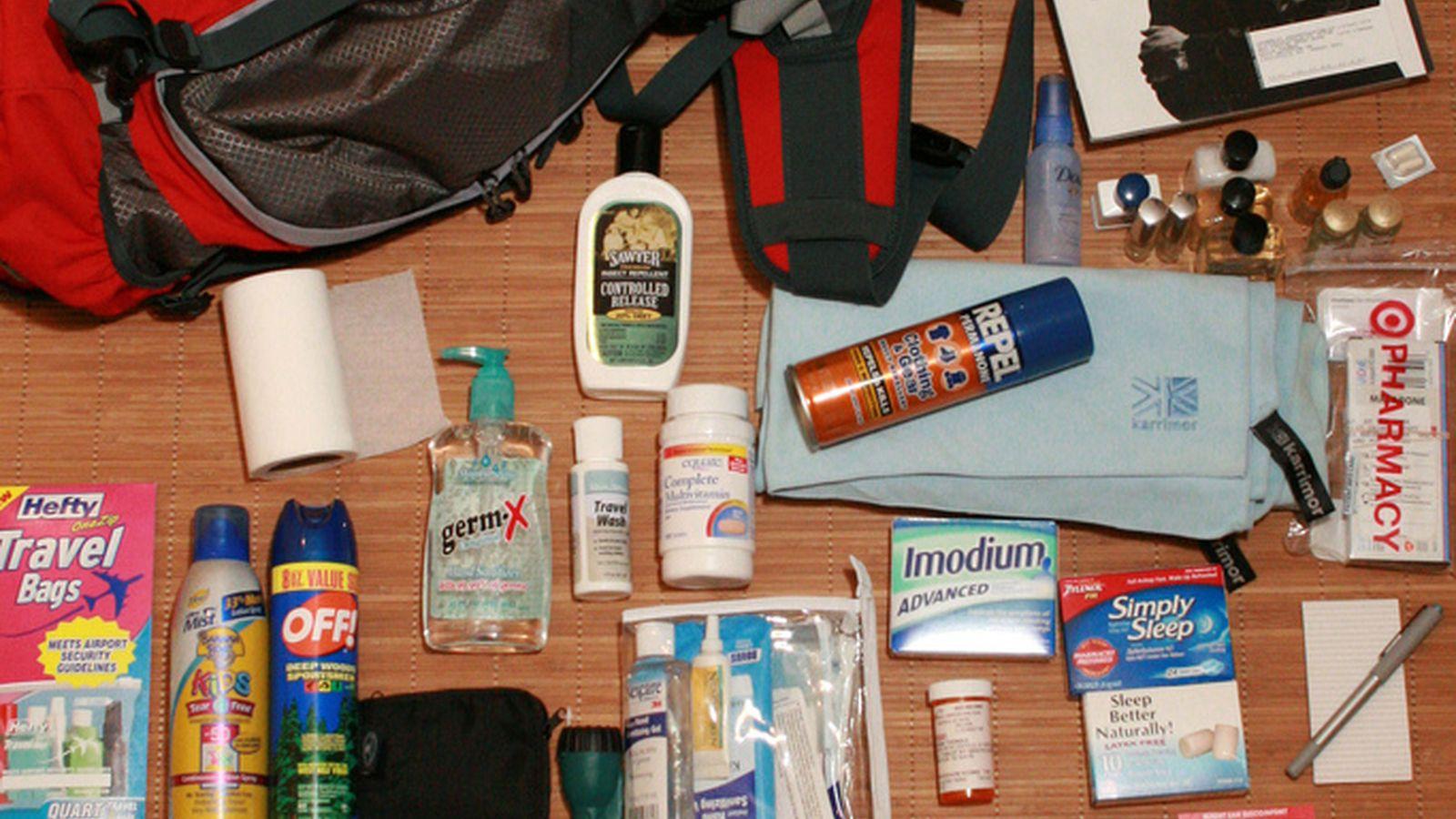
If you get caught by Bali Belly, here are some things I would buy:
- Oral rehydration salts (ORS) sachets. These are a non-negotiable must-have for preventing dehydration.
- Basic symptom relief for stomach cramps, nausea, fever, or pain.
- Any regular medication you personally rely on, plus your allergy information.
You can easily find these at any local pharmacy in Ubud, or even get them delivered directly to you from Guardian or another pharmacy via Grab or Gojek. If you go yourself, just describe your symptoms clearly and mention any allergies to the pharmacist. They are usually very helpful and speak at least basic English, often pretty good English.
Here is a local pharmacy that is also close to Hubuddha. They never tricked us and always sold good stuff, not to upsell tourists, but actually something that helps with the symptoms. Guardian is the closest international pharmacy, and also pretty good.
Remember, never casually self-start antibiotics. If symptoms are severe, like high fever or blood in stool, skip the DIY remedies and head straight to a proper medical clinic in Bali. Finally, always keep receipts for medical purchases or consultations. You might need them for travel insurance claims.
7. Natural Remedies For Bali Belly: What's Safe And What To Avoid
Some natural remedies offer comfort, but they do not replace medical treatment or essential oral rehydration salts, ORS, when Bali Belly really strikes.
Remember, hydration is your top priority!
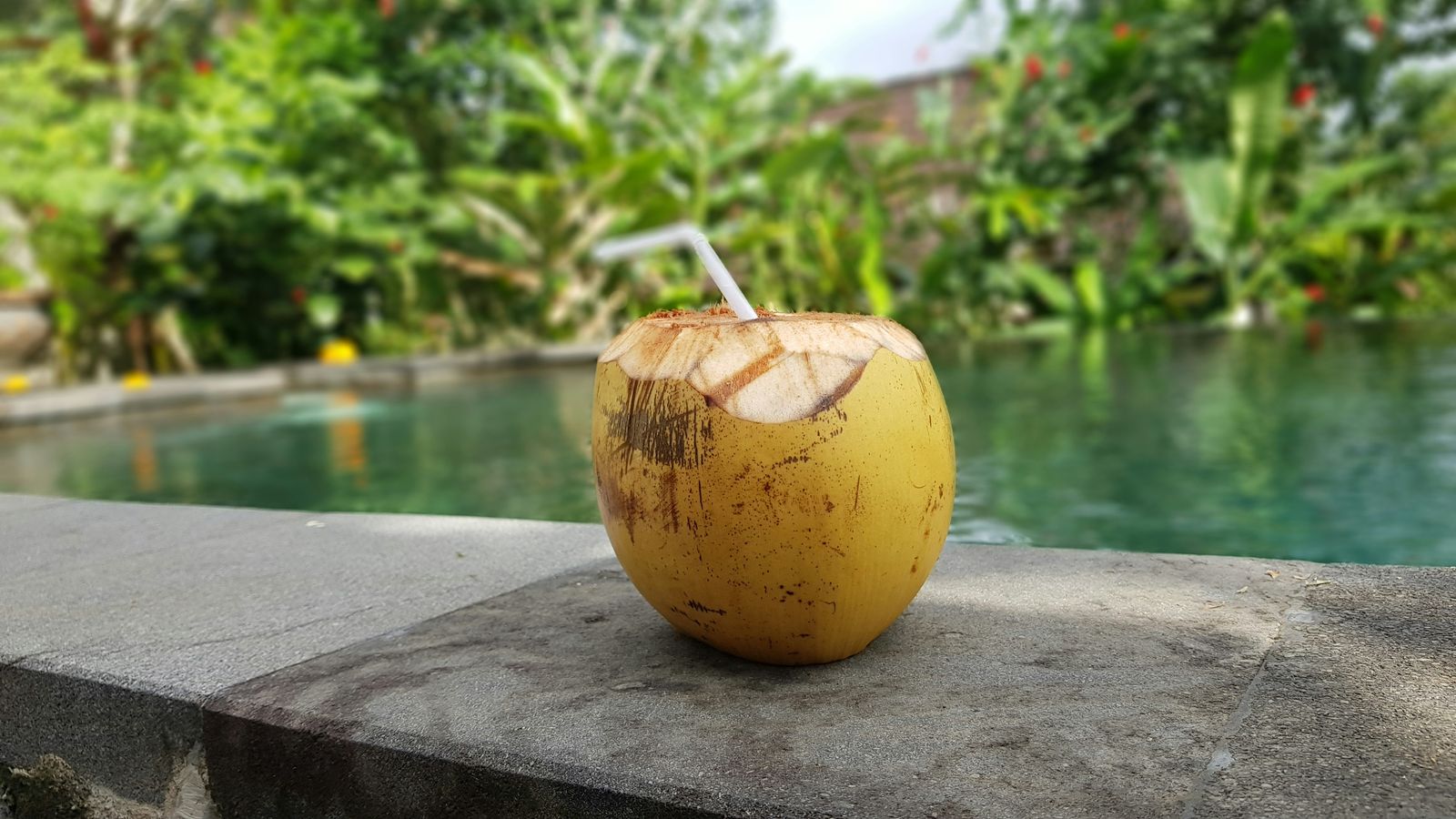
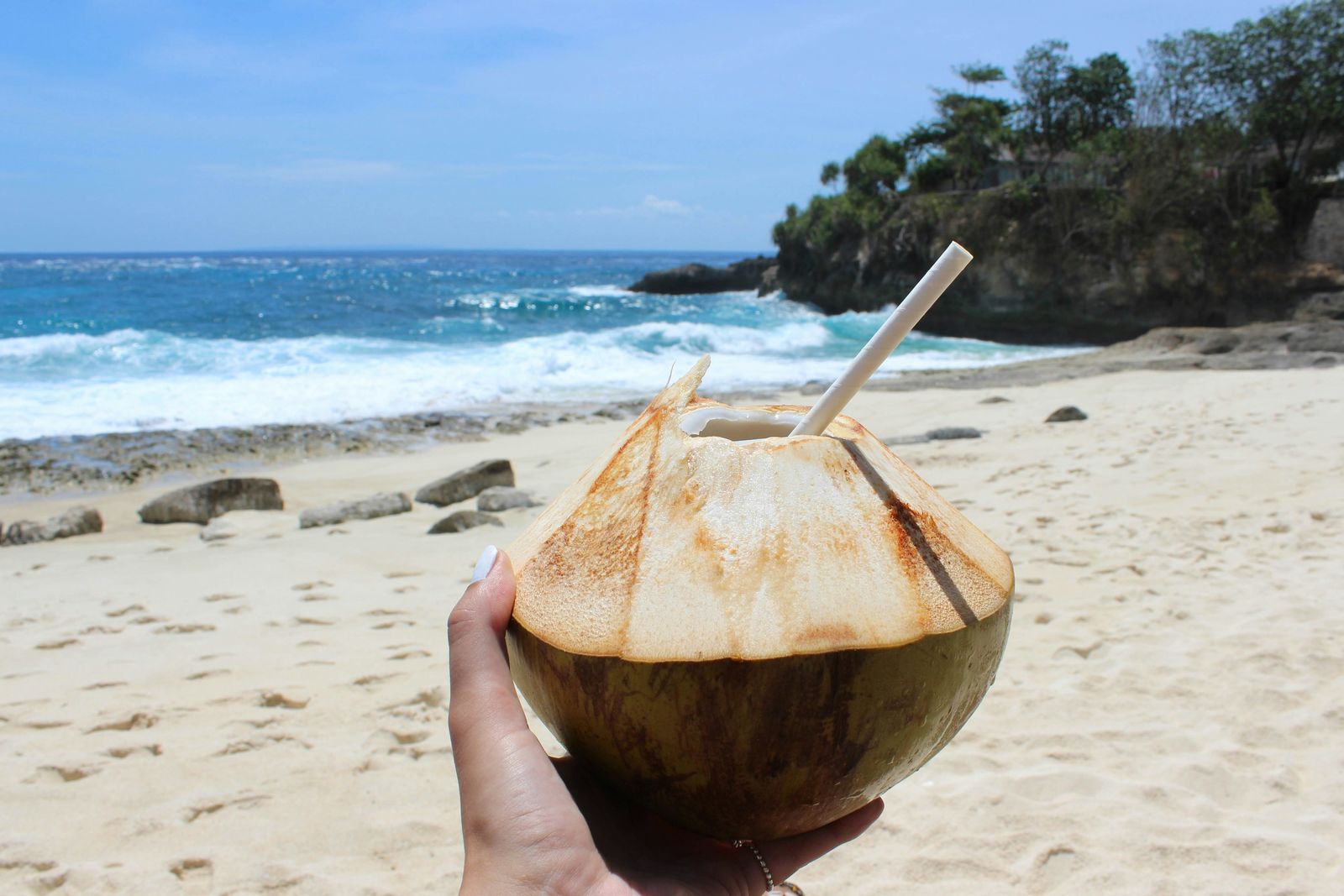
For mild nausea, warm ginger tea can help. Plain coconut water, sipped slowly, offers electrolytes and a gentle taste, but it is not a direct ORS replacement. Stick to bland foods like plain rice porridge. Your stomach will thank you.
However, be incredibly cautious with unverified herbal concoctions or mystery powders. These can be unhygienic or harmful. Remember Tirta Empul temple: its holy water is for purification rituals, not for drinking. You can still immerse yourself in culture, just avoid ingesting anything questionable, especially water.
8. Red Flags: When Bali Belly Needs Medical Attention
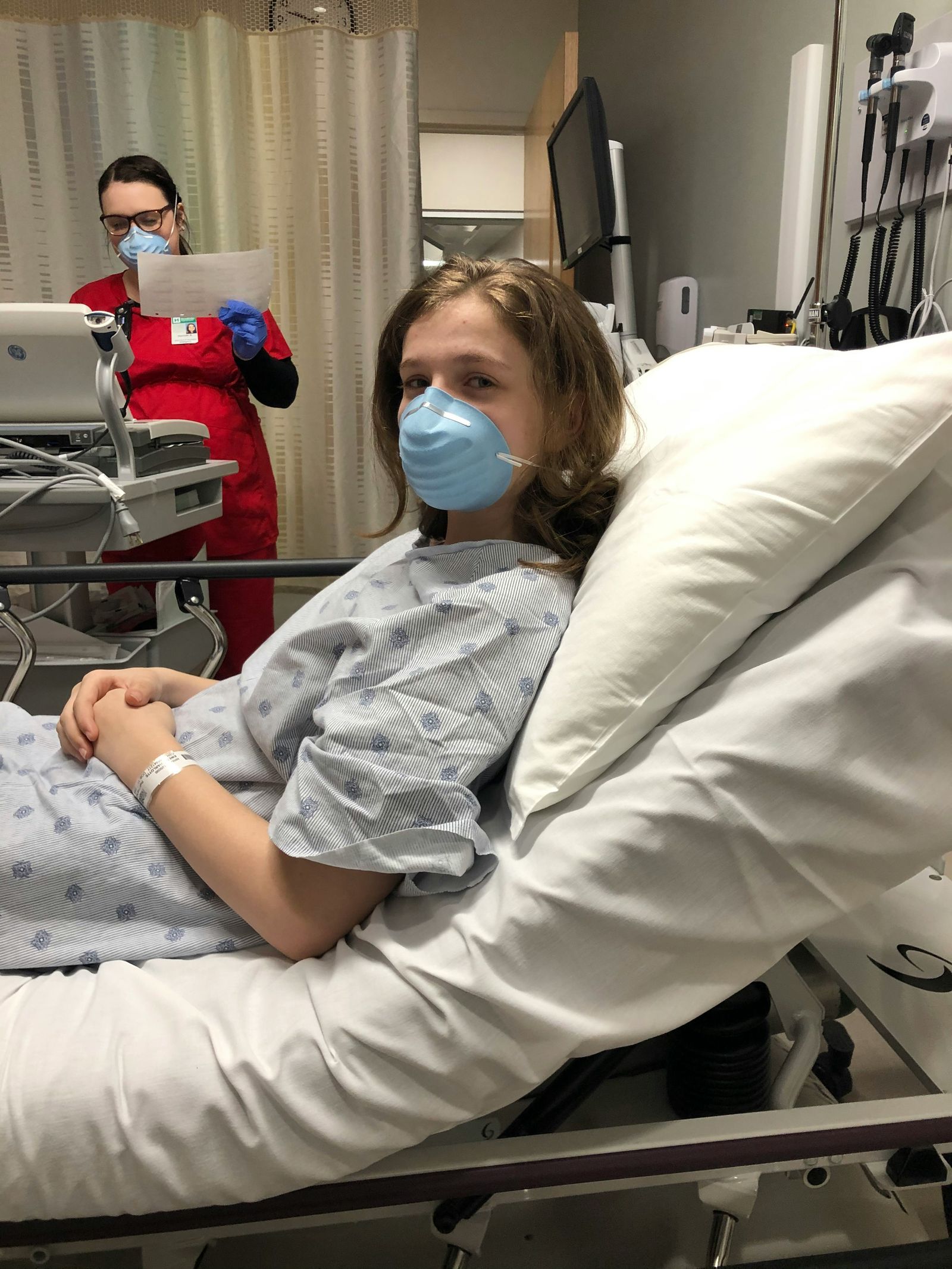
While most Bali Belly cases improve with rest and rehydration, some symptoms worsen and require swift medical attention. Know these red flags for smart, timely action, not panic.
Contact a doctor in Bali if you experience any of these:
- Signs of severe dehydration: dizziness, very dry mouth, reduced urination, or inability to keep fluids down.
- High fever: a temperature of 102°F (39°C) or higher.
- Blood or mucus in stool: this indicates a more serious infection.
- Uncontrollable vomiting: inability to keep food or fluids down for over 12 hours.
- Symptoms lasting more than 48 hours without improvement.
These warnings are urgent for young children, pregnant travelers, older adults, or those with chronic illness or compromised immune systems. Too unwell for a clinic? Many Bali medical services offer doctor call-outs to your villa. Ask your Hubuddha host or a local contact for help.
Never delay seeking medical care due to cost. Travel insurance covers this, and treating severe dehydration or infection later costs far more than an early doctor's visit.
9. Getting Medical Help For Bali Belly In Ubud

For mild to moderate symptoms, a local clinic is usually your best bet. If you are experiencing severe vomiting, persistent diarrhea, or signs of dehydration, IV fluids might be necessary. They are available at clinics, hospitals, or through reputable call-out doctor services.
Many travelers use hotel-arranged doctor call-outs effectively. Doctors come to your villa, provide IV fluids with electrolytes, and prescribe medication. From guests and friends, I have heard costs range from IDR 900,000 to IDR 3,500,000, about $60 to $230 USD, higher at night or for premium providers. Always confirm credentials and get a written price estimate via WhatsApp before they arrive.
For Ubud medical care, consider Ari Canti Hospital near Ubud, or clinics like Ubud Clinic and Toya Medika. For serious issues, BIMC is a well-known Bali hospital, though it is not in Ubud itself. A friend of mine had a pretty serious case of food poisoning and she was in BIMC Uluwatu. She was happy with the treatment, though she found it very expensive, so get your insurance beforehand.
If you feel weak, ask your accommodation to arrange transport. Please do not drive yourself. Keep all receipts and medical notes for travel insurance. Staying somewhere with responsive local support, like our Hubuddha villas, makes getting care much easier.
10. Managing Medical Costs And Insurance Claims

After dealing with Bali Belly, the last thing you want is stress about medical bills and insurance. Most clinics operate on a pay-first basis, so expect to handle medical expenses upfront and claim reimbursement from your travel insurance later. This process varies, but with the right documentation, you can avoid spiraling with financial worry.
First, always ask for an itemized receipt detailing services and costs, plus a clear doctor's note or diagnosis summary. If you confirm any prices via WhatsApp, save those chats because they are valuable proof for your insurer.
A common pitfall: not having critical documents, or waiting too long, leads to more intensive, expensive treatment. Before you even get sick, screenshot your policy numbers and insurer contact methods. This simple prep will make travel insurance claims much smoother and less stressful.
Frequently Asked Questions About Bali Belly

No, tap water in Ubud is not safe to drink.
Generally, ice is safe at reputable cafes, restaurants, and hotels because they often use purified water. However, I would be cautious at smaller local stalls or warungs if you are sensitive.
Most mild cases of Bali Belly improve significantly within 24 to 48 hours with proper hydration and rest. Your gut just needs a little time to recover. If your symptoms persist beyond 48 hours, worsen, or you develop a high fever or other red flags, it is always best to seek medical attention.
Imodium can be useful for short-term control of diarrhea, particularly if you have a flight or specific plans and need temporary relief. Avoid taking it if you have a fever, see blood in your stool, or show signs of a severe infection.
Antibiotics are rarely necessary for mild Bali Belly and should only be taken under direct medical guidance. They are not a casual first step. If you experience severe symptoms like a high fever, blood in your stool, or persistent, severe diarrhea, go to a reputable clinic in Ubud. Bringing broad-spectrum antibiotics from home without a proper diagnosis can be risky and contribute to antibiotic resistance.
If you are looking for a calmer, private base in Ubud where help is always just a message away, consider a private villa stay at Hubuddha.
